

 Apple Podcasts
 PocketCasts
 Spotify
 Overcast
 TuneIn
 RSS Feed
 YouTube
 Amazon Music
 Battelle's Chlorinated Conference: PFAS, AI, and What's Next
Battelle's Chlorinated Conference draws 1,500 environmental professionals from 23 countries, and its division manager explains why PFAS treatment is pushing the industry to its limits.
Joe Tarsavage, Division Manager of Environmental Solutions at Battelle, discusses the 30-year history of the Chlorinated Conference, how PFAS contamination has reset treatment standards from two nines to five or six nines of removal, and why that gap is driving rapid innovation across the remediation sector. He also addresses how artificial intelligence is beginning to reshape site investigation, data analysis, and client reporting, and why the industry is only scratching the surface of what that technology can do.
Tarsavage details Battelle's expanding conference portfolio, including the upcoming Sediments Conference in Austin in January 2027 and the newly rebranded Battelle Bloom Conference in June 2027, which will broaden the traditional bioremediation platform to include critical minerals and land optimization. He also touches on emerging contaminants now appearing on EPA's CCL 6 list, including microplastics and 6PPD-quinone, and what it will take for laboratories and researchers to develop reliable analytical methods for those compounds.
The conversation also covers Battelle's student mentoring program, the value of deliberate mentorship in a field where it no longer happens organically, and what Tarsavage is asking conference participants to help shape for future events.
#Battelle #PFAS #EnvironmentalConsulting #remediation #technology
Joe Tarsavage (0:00): I feel like when I started in this business, mentorship sort of happened just by the way you conducted business. Yep. It doesn't just happen anymore. Like that. And you have to be deliberate about it.
Sean Grady (0:14): Welcome to the Environmental Transformation Podcast, where we bring you interviews with industry leaders, climate champions, sustainability practitioners, EHS and hazmat professionals making an impact in their businesses today. Each leader solving complex challenges and delivering solutions within their areas of expertise. I'm your host, Sean Grady, and thanks for joining us today. Before we jump in, make sure to follow us on your devices and visit my website at www.seank.grady.com and sign up for our newsletter and email announcements. Now let's get started.
Sean Grady (0:46): Welcome to the Environmental Transformation Podcast. I'm your host, Sean Grady, and today's guest is Joe Star Savage. Joe, thanks for coming onto the show today.
Unknown Speaker (0:55): Thanks for having me, Sean.
Sean Grady (0:56): Joe is the director, executive director of Battelle. Is that how this is working?
Joe Tarsavage (1:02): Bit of a promotion from where I so I am the division manager for the environmental solutions business.
Unknown Speaker (1:08): Okay.
Joe Tarsavage (1:09): And environmental solutions, I describe it as environmental consulting practice. So lots of site investigation, remediation work, compliance work, green studies, data management. And we are here at Patel's chlorinated conference. We also run, you run this conference though. Patel runs this conference.
Joe Tarsavage (1:30): We have a conference known as the bioremediation conference that we are in the process of rebranding to include critical minerals and other elements. And we have a sediments conference. So those two will run Jan sediments is January 2027. And, the Battelle bloom conferences we're going to call it Okay. We'll run-in, June 2027.
Unknown Speaker (1:53): Okay. And that's the critical minerals that will
Joe Tarsavage (1:56): include, that will include what we've historically done with bioremediation and add element of critical minerals, land optimization, and really expand the platform into areas that we think will be of interest to the community.
Sean Grady (2:15): That's great. You know, this is the first time I've attended the Battelle conference or a Battelle conference. And I've been in the environmental industry for over thirty years, environmental consulting for twenty three of those years. And I've watched the growth of this conference over those years. It's really impressive to see what you guys have put on here.
Sean Grady (2:34): So, first conference
Joe Tarsavage (2:36): was held in 1998, so almost thirty years. It's held every other year. And at that time, so if you're in the business at the time, chlorinated compounds were a real challenge for the industry. So solvents, TCE, etcetera, right?
Sean Grady (2:55): Dry cleaner problems like crazy everyone's dealing with.
Joe Tarsavage (2:58): And so this conference really was organized to gather the brightest minds in our industry to talk about those challenges, what kinds of techniques they were applying. So investigative techniques, cleanup techniques, evolving regulations. And so then that tradition has continued over the years. You've been around the conference today. We still cover all of those chlorinated compounds.
Joe Tarsavage (3:27): We're still chlorinated today, you know, all this week PFAS, which is the hottest topic, biggest hot topic in our industry that tends to dominate the platforms that are here. But we are covering artificial intelligence. We still metals treatment. We cover a full spectrum of the environmental industry.
Sean Grady (3:50): Yeah. And I, this conference today we are in Dallas Fort Worth at the annual conference here that's being held every two years. The turnout has been really good. I would say, I mean, based on what I don't know how many vendors are here exhibiting. But I would say it looks like at least 150 or so odd vendors probably
Joe Tarsavage (4:12): 1,500 participants and something that really, I feel great about 23 countries. Yeah. Oh, we've got people from every continent except Antarctica. Antarctica.
Unknown Speaker (4:24): I just met a couple of guys from New Zealand. You can
Joe Tarsavage (4:27): say I've missed somebody from Antarctica. Yeah, we have people from all over the world. Right. Right. And so we're all facing the same challenges.
Joe Tarsavage (4:35): There are nuances to environmental regulation. There are certainly nuances to the pace at which contaminants are addressed. Australia, as an example, tends to, at least from my perspective, has tended to be maybe ahead of the game and addressing some of the challenges with PFAS and the triple F. And so this community, the people that attend this conference really are the smartest people in the environmental business. And so it's a great opportunity for the people here to see what others are doing, share what they've learned, what they're trying, lots of lessons learned, platform discussions.
Sean Grady (5:15): Yeah. There are a lot of smart people here, in, at this conference. That is one of the things that I've heard from some of the participants who I've interacted with since I've been here is that this is the best worldwide conference to come and learn about PFAS or other treatment technologies to deal with your calcium contaminants like PFAS and other things. So I was like, yeah, he goes, this one has the best
Joe Tarsavage (5:43): coal coalition of minds in the industry. So we got a thirty year history. This is the fourteenth conference. We start each conference a year in advance. We get a dozen or so experts from the industry that they're familiar with the industry, familiar with our conferences.
Joe Tarsavage (6:04): Right. We try and get a cross section of individuals industry, from consulting, from the federal government, state governments, in some cases, so that we, our platforms cover everything that's happening in our industry right now. And that to me is really what makes it the best. We've got a great reputation. People know he know that when they come here, they're going to get quality.
Joe Tarsavage (6:30): One of the comments I've heard probably most often as I walk the halls here and ask people how they're doing is they have trouble figuring out which session to
Sean Grady (6:39): go to because Cause there's too many to they're all so good. I can see that being a challenge. I think also what I've, I really like about the format of the conference is that, you've got specific tracks of topics that you like, you mentioned AI, digital type solutions and technologies. I'm sure in the evolving landscape of the environmental space, that is a big wide open new space that people are really trying to like understand how to deploy AI and other digital solutions to solve these problems.
Joe Tarsavage (7:12): So if you're not trying to deploy AI, you're well behind the rest of the industry.
Unknown Speaker (7:18): Agree. Agree.
Joe Tarsavage (7:19): And you can imagine that, there is an infinite number of ways that you could apply to our we're a database industry. Yep. We're out collecting samples, evaluating data. Many times we're evaluating data that's been collected over years and decades. Absolutely.
Joe Tarsavage (7:40): So that provides a platform to utilize AI. We have a lot of processes. So regulatory processes that are, repetitive and very structured and utilizing AI in the capacity to evaluate a slate relative to those requirements. There are opportunities to do that. Those are the kinds of things I think that you were seeing in the platform presentations here, but that's only scratching the surface.
Sean Grady (8:11): It's always scratching the surface, but I think if you're in the investigation remediation site assessment phase or business, you're not doing three d modeling of your sites and really using AI and those technologies to really understand the site characteristics of your, I think gone are the days of paper plots, surfer maps, and groundwater play. I mean, that you can communicate. Okay. What the site looks like, but that visual picture tells a story like that compared to reading a two or three inch novel, report about what is really going on?
Joe Tarsavage (8:54): So I talked about this. When I started in this business, the fastest you could really get something to somebody was about a month. Right? So collect your information, write something, edit it by hand, get it typed up, send it out regular mail. And a month was really working hard And to get something out the I mean, now it's an hour could be the expectation, right?
Joe Tarsavage (9:21): You have the information, give it to me in an email. AI is going to accelerate even that things that we do exponentially beyond what our current expectations are. And thirty years ago, if you'd have said, I'm going to send you a report in a couple hours, people looked like you were crazy. AI is going to have a real impact, an incredible impact on how we do business, how we analyze data, how we communicate, information to our clients, to regulators.
Unknown Speaker (9:59): And
Joe Tarsavage (10:00): I guess I said earlier, just scratching the surface.
Sean Grady (10:02): One of the things I noticed here at the conference is not only do you have great presentations to go and sit in and listen to presenters discuss their research or solutions they're offering. But I do like the poster board sessions where you can have an opportunity to present a topic, have that person standing around mixing and mingling with some of the participants to come and maybe deep dive a little more into a particular op project that you can't have everybody on stage, but you can give opportunities to people to showcase their capabilities. So it's each of our sessions,
Joe Tarsavage (10:46): they have session chairs, session chairs jobs to work with potential presenters, identify, we'll get sessions that may have twenty, twenty five submittals. All right. So yeah, she can't have them all on stage,
Unknown Speaker (10:59): but
Joe Tarsavage (11:00): lots of good material to select from. So it's an, it's a venue for that, for those individuals to be able to present their Another piece of it that is really great is we do student poster presentations and we have a student poster competition. So STEM education, a big part of the heart and soul of Battelle. We've got students helping out throughout the conference, working in the sessions, supporting the session chairs. We have the student competition.
Joe Tarsavage (11:32): We had a student, we have a student mentoring program that we do as part of the conference. So we link up students with environmental professionals and they mentor them throughout the year. We have sessions where they connect here to catch up on what they've been doing. That's empower. That's powerful.
Joe Tarsavage (11:50): That's like the next level investment in the generation to come. Absolutely. It's essential for us.
Sean Grady (11:57): It's essential. And I think there's a lot of organizations I'm involved with the Alliance of Hazard Material Professionals, H and P, and we host an annual conference every year for education purposes. And at times, we're looking at how do we reinvest into that and bring the younger generation in because a lot of the attendees are more mature in their careers, so to speak. We're still looking for more of that infusion of youth and that's a great way to do it. I really like your strategy there of bringing in young people into it and mentoring.
Joe Tarsavage (12:30): Yeah. And I think the way the world has evolved, the way our business has evolved, I feel like when I started in this business, mentorship sort of happened just by the way you conducted business. It doesn't just happen anymore. And you have to be deliberate about it. Absolutely.
Joe Tarsavage (12:51): I totally agree with that. And there
Sean Grady (12:52): are some people that I've met at this conference today. That's, that's here in the industry that engaged me personally because they wanted to know more about what I do. And I started talking with them and he's a 26 year old professional. He's just really getting his feet wet in the industry, but he's like really wanting to, he hangs on, he's hanging on every word I say, like, tell me more about how do I can learn more about this aspect of the business or whatever. And it just dawned on me.
Sean Grady (13:23): It's like, this is the perfect person to support a mentoring relationship with. Right. And we all should be looking for those opportunities. Think as professionals, as we get older in our career.
Joe Tarsavage (13:32): So if you walk around and talk to enough people, you'll find individuals that twenty years ago, they were student eight at a Patel conference. That's impressive. And submit and now they're giving back to that community. Yeah. That
Unknown Speaker (13:44): is great.
Sean Grady (13:44): Hello, ET nation. I wanna thank you for listening to the podcast. If you're enjoying the interviews we bring you, consider supporting the program by visiting my website at seankgrady.com and buy me a cup of coffee. Proceeds will go towards helping me continue producing timely content and offset production costs. I'd also like to take a moment and recognize a few of our sponsors of the show who have been amazing partners and our ET nation legends.
Sean Grady (14:10): If you're looking for a drilling and environmental contracting firm to help you delineate the extent of contamination at your site, then look no further than Cascade Environmental. Cascade has over 37 offices across the country and offers a huge range of environmental and geotechnical drilling, site characterization, and remediation services. With their huge fleet of equipment and nationwide coverage, Cascade is a great choice to support your environmental and infrastructure needs. To learn more, check out their website at cascade-env.com. That's -env.com.
Sean Grady (14:46): Hey, are you looking for an equipment rental company to help you with your next wastewater remediation or waste management project? E Tank is the only environmental equipment rental company in the industry that offers 100% guaranteed certified clean temporary liquid storage tanks at no additional cost. This protocol gives peace of mind for the previous customer by limiting their downstream liability as well as the future customer by preventing any cross contamination for all of their rental tanks. E Tank also runs a one of a kind complete maintenance program for all rental items, including liquid tight roll off containers, fluid transfer pumps, and filtration items. The next time you are presented with an environmental challenge, call eTank to come up with the solution for your problem.
Sean Grady (15:37): I wanna thank one of our sponsors, WasteLink. WasteLink is the all in one software platform transforming how environmental professionals manage waste, connecting generators, service providers, and disposal facilities in a way that is simple, connected, and transparent. Their platform helps streamline everything from waste profiling and routing to inventory management and billing, giving you the tools you need to operate more efficiently and reduce cost. Whether you're a generator looking for better options or a service provider seeking greater efficiency, WasteLink has you covered. If you're ready to take control of your waste management processes and optimize your business, visit wastelink.com to schedule a demo today.
Sean Grady (16:23): So what's one of the key things you've seen change over time since you've been involved with this conference?
Joe Tarsavage (16:30): Well, so alright. So you're at your first chlorinated conference. I'm at my first chlorinated conference. Okay. But I'll give you some perspective.
Joe Tarsavage (16:40): I mentioned 1998 chlorinated comp the solvent compounds were really the emerging contaminant at that time. Up to that point, petroleum, gasoline spills, most of the environmental business landfills essentially. Contaminant, different contaminants have emerged over time. That's certainly one element. Technology developers continue to develop and evolve technology, which is actually for me, one of the most fun things to witness earlier today, I saw a presentation on something called two phase vacuum extraction.
Unknown Speaker (17:26): Okay.
Joe Tarsavage (17:26): And that technology has been around for over thirty years. And in fact, one of the patent holders is the guy that I worked with when I first got in the business. That was my first exposure to my metal business was two phase vacuum extraction. And to see that it is still relevant, right? It is still developing, still finding new uses, applications is very exciting.
Joe Tarsavage (17:50): So I think those are the kinds of things that you see here. You see new contaminants, evolution of technology. You talk about AI, how are we going to apply new technology to our business, but also just the evolution of culture and the world impacts everything that we do. So I think those things all add up in the presentations, the content that we get to continue to make this conference relevant.
Sean Grady (18:19): I think I would also probably suggest that you are also always on the cutting edge of the new regulatory changes in Because the we've been in this business for thirty odd years. We've seen a lot of regulatory changes that EPA has deployed. And whether that's through, say, remember when vapor intrusion was the biggest topic that was associated with chlorinated solvents, exposure pathways that were not being considered. I mean, that was like in the early two thousands, the hottest thing going on. Now we are into PFAS and that seems to be such a big ordeal.
Sean Grady (19:04): I don't know if I've been in part, been in any part of, I guess the environmental industry where this one singular topic has been so important? So a couple of
Joe Tarsavage (19:18): things with it. One, if you don't know by now, it's everywhere. Right. So it's in a lot of products, it's everywhere. The toxicity limits are so low.
Joe Tarsavage (19:29): They're so much lower than any conta- any other contaminant that we deal with. The regulations, like anything new, the regulations aren't set yet. They're evolving. True. So that creates a large level of uncertainty on how to proceed, when to proceed, what to do.
Joe Tarsavage (19:49): I talk a lot. I do a lot of, Patel has pioneered a number of, invented a number of treatment technologies. And so when you talk about the regulatory limits, talk about, or regulatory and or potential regulatory limits and the challenges of treating to those locals. So when I started in this industry, if you could get 95% treatment of a contaminant, you were doing pretty well. 99 was like the holy grail of treatment.
Unknown Speaker (20:21): Now we're, that's not even close enough when you're talking about CFAS.
Unknown Speaker (20:25): I
Joe Tarsavage (20:25): know. Okay. So you're talking three nines, four nines, Right. Five so that creates an immense challenge for this group here. So that's why you see in this exhibit floor, lots of vendors with different treatment technologies.
Joe Tarsavage (20:44): You see folks that are concentrating. You see folks that are doing destruction. It creates an environment that is ripe for innovation, which is exciting. It's challenging, but it creates that environment for innovation, which is also exciting.
Sean Grady (20:59): Yeah, no, I totally agree. What is the one thing you would say where you see opportunities to evolve your conference delivery or, where you think Patel's going next with, I mean, I met you mentioned the Bloom conference and the critical minerals, but is there anything else that's sitting out there that, wow, we should do something a little more?
Joe Tarsavage (21:23): So I don't know if I have an answer for you as I sit here right now. If you attended my opening remarks. I did. One of the pleas I made to our attendees is that we're in a world that changes faster than it ever has in our lifetimes. Right.
Joe Tarsavage (21:39): And so our, this needs to evolve so that it continues to stay relevant to this community. Certainly there's no question that our, our paradigm, you know, again, regulations, contaminants, etcetera, the paradigm within which we work is going to evolve. AI is going to impact how we do things. I'm asking folks from this conference to give us ideas on how we evolve this event.
Unknown Speaker (22:11): Yeah.
Joe Tarsavage (22:11): So that we can include more people. I mean, there's things that lots of things happen remotely. There's opportunities to record, broadcast things. I we're, we'll be spending the next year taking back everything we learned from this event, taking in all the, recommendations that I expect to receive from folks that participate on our steering committee. Sure.
Joe Tarsavage (22:34): Folks that I've been asking for ideas, we're going to digest that. And, you'll see
Unknown Speaker (22:40): some little tweaks here as you grow. Right. I mean, it's, it's an evolving situation
Joe Tarsavage (22:44): and maybe a big tweak here or there eventually.
Sean Grady (22:46): Sure. I mean, yeah, I mean, yeah, I like where you guys are going. You guys are in the industry of one of the recognized undisputed leaders in this business. And it's amazing to come to these types of conferences and see these people, so many smart people, like as we mentioned, what's on the horizon for a lot of contaminants that we are all going to be potentially will be concerned about is the new CCL six list that's out there that EPA just released. Microplastics is part of that.
Sean Grady (23:19): You've got some of the other what's the tire. That's it six PPDQ. That's another potential concern. Yeah. A major emerging contaminant.
Sean Grady (23:30): And those eventually will probably make their way onto the UCMR six list, which is going to be another challenge. And I think as you guys are evaluating, how do we position and promote or discuss those topics? Some of the topics within that whole opportunity of information is going to be, how are the labs going to develop the actual microplastic analytical methods to actually make sense of this so we can actually come up with health based risk values that it makes sense there. So there's like a lot of conversation that could be had in that space.
Joe Tarsavage (24:04): Well, I can, so for our part, Battelle's got a lot of really talented chemists, heavy duty, smart PhD, lot of PhD guys that have spent their careers developing methods, improving methods. So I can tell you, we'll be on the forefront of developing methods to detect those compounds. I can also tell you we'll be at the forefront of figuring out how to address them. So investigate them, treat them, try and stay in advance.
Unknown Speaker (24:37): Sounds like a really good plug there.
Unknown Speaker (24:39): Hey, it's who, but it's who we are. Okay.
Unknown Speaker (24:43): Do you know I had a teacher? Okay. That's great. No, that's fantastic. Mean, that's exactly That's what you absolutely who you are.
Sean Grady (24:50): And we're on the same page. A lot of the listeners here know that I work for Veolia and we're helping companies support those same types of challenges. And there's a whole list of these types of companies doing this, this types of solution support with customers. Because there's not one silver bullet for everything out there. There?
Joe Tarsavage (25:10): There hasn't been as long as I've been in the business. There are some good bullets.
Unknown Speaker (25:15): There's never
Joe Tarsavage (25:15): been one single Single bullet. That's right. That's right.
Sean Grady (25:20): Lots of really great topics here. And I really liked the venue. Are you planning on moving the venue anytime soon, or is this going to be a repeat here again sometime?
Joe Tarsavage (25:29): For this particular conference, we are going to be back in Fort Worth two years from now. Okay. After that on the side, we tend to move around the country. Yep. Take, you know, we'll take different requirements into consideration, but we'll move around.
Joe Tarsavage (25:43): I wouldn't, we won't be in Fort Worth forever. I'll tell you that a little bit like it. It's been a nice venue for us. The layout is good. The location we're at people have complimented me on the location.
Unknown Speaker (25:54): So that's good.
Unknown Speaker (25:54): Go back to next year up and telling people get used to it. Find all the good spots coming right back. Then we'll get
Unknown Speaker (26:01): you to deals for next year early.
Unknown Speaker (26:03): We'll get you used to another spot four years from now.
Sean Grady (26:05): Yeah. That'll be great. So the next conference coming up, the big one that you have is going to be the sediment conference. Conference. And that's going to
Joe Tarsavage (26:12): be January 2027. That's in Austin. Austin. Oh, it's also in Texas. And then our buyer immediate bloom conferences, it will be called, that's in Austin as well.
Unknown Speaker (26:24): So they're both same location.
Unknown Speaker (26:25): Austin is a good conference city.
Joe Tarsavage (26:28): I understand it is. I've never been there.
Unknown Speaker (26:29): It's a good conference city. It's first
Unknown Speaker (26:31): time to Fort Worth.
Sean Grady (26:32): Oh, okay. Well, do know that they they're recently like upgrading the downtown conference area because the TCQ has usually held their main conference every year. And then they went to San Antonio because there's been some renovations going on in Austin. So sounds like, you guys are gonna be right there when it opens back up and it'll be a good spot. Excellent.
Sean Grady (26:53): It is a good location. There's a lot to do extracurricular outside of the normal sessions. So networking is important. How important is networking to you with this conference as you look at some of the value that participants walk away from?
Joe Tarsavage (27:09): I think it's important for everybody. And you got, you mentioned, I don't know how many exhibitors we have. We have exhibitors here. They're obviously here to present their technical information, but they're here to meet teaming partners, potential clients. And so to be able to network with colleagues, I talked, we talked a bit about the students.
Joe Tarsavage (27:34): Think there's certainly opportunities for mentorship. I have, some of my junior staff here because I want them to be exposed to this environment. Absolutely. Participate. I think that is a great experience for them.
Joe Tarsavage (27:47): So I know some of that is going on with some of the companies here. Absolutely. So, I mean, companies come, come to conferences to network. That's a big part of it. Absolutely.
Joe Tarsavage (27:57): And so being able to meet, like I said, with colleagues, some for some of them that might have 15 or 20 colleagues that they don't get to see each other. So a single company.
Unknown Speaker (28:08): Yeah. And they bring them
Joe Tarsavage (28:09): And to they all come in and they're all practicing in the same discipline. And it's perfect opportunity for them to get together, talk about what they're doing, collaborate within their own company on their business, etcetera. So it's a platform for networking in a, in a couple of different kinds of ways. Each of the entities that's here exhibiting, or, and or sponsoring. We've got great sponsors that have been with us for years and years that make the food happen, the receptions happen, the student events.
Joe Tarsavage (28:42): We've got a photographer doing headshots. I've got sponsors with a learning lab here on the exhibit floor where we have twenty five minute quick presentations on highly technical, projects. And we've got sponsors for that. So we've got a great group of companies that sponsor year after year, and they're always with us. And each
Unknown Speaker (29:03): of
Joe Tarsavage (29:03): them has things that they get out of participating.
Sean Grady (29:07): That's great. That's great. Joe, I really appreciate you coming on to the show and bringing your, your perspective and how you guys are impacting the market here at Patel and at this conference. So I really appreciate your time, and I'm sure everyone who is attending is getting their bang for their buck and, really getting a lot out of it. So I really appreciate
Joe Tarsavage (29:29): you doing this. Few people see this and decide to come out two years from now. Absolutely. I'm sure to. Six months from now, come to this side of the
Sean Grady (29:37): side of it. So we'll be getting this podcast out in a couple of weeks or so, and we'll make sure we tag you guys and get you guys, hopefully, you'll share with your networks.
Unknown Speaker (29:44): And, yeah, absolutely. It'd be great. Thank you, Sean. Appreciate
Unknown Speaker (29:46): it. Thanks for listening and watching the show. If you enjoyed the show, then please share it with your friends and coworkers on social media and tell somebody in person. Thanks for being with us, ET Nation.
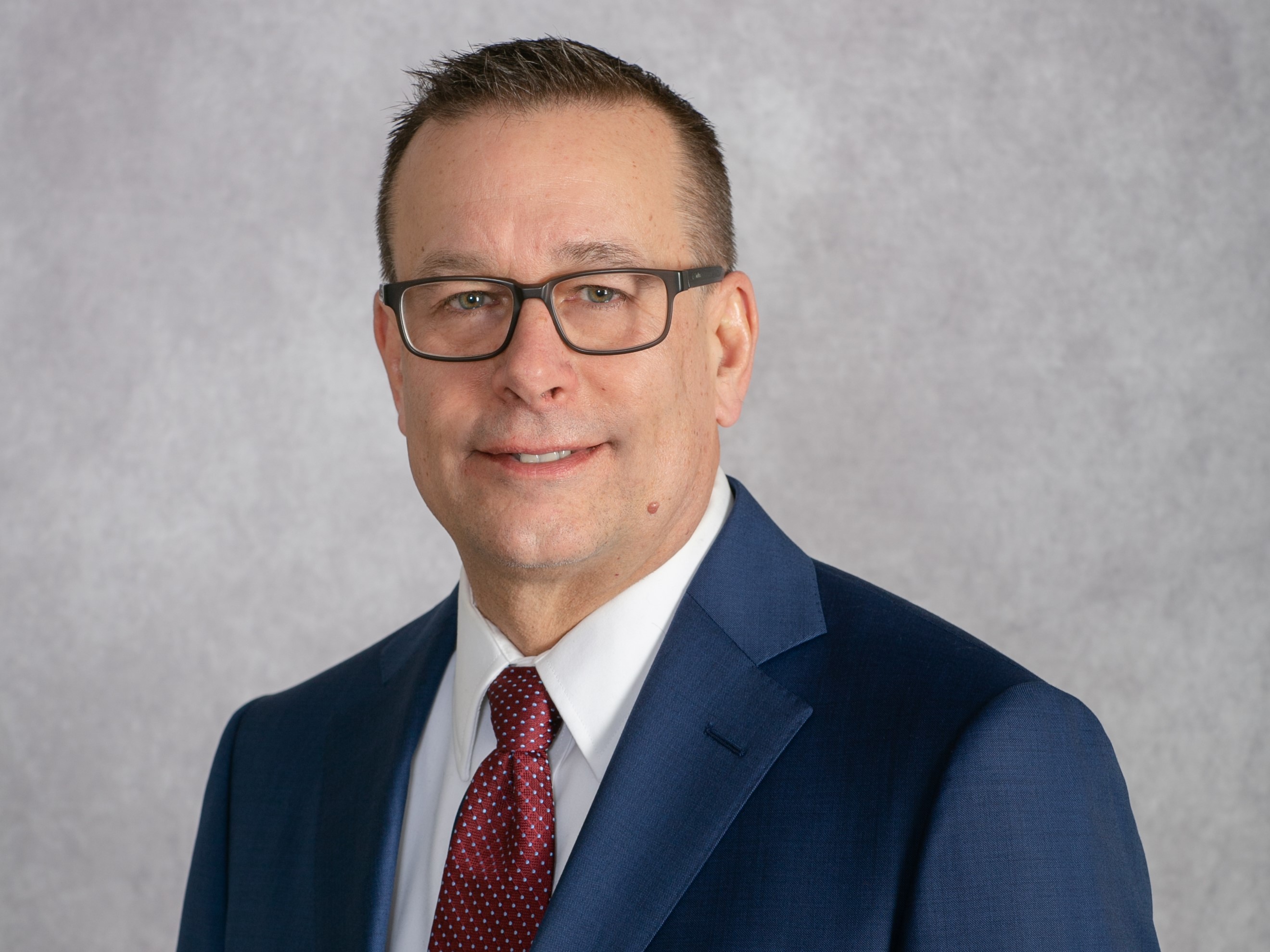
Division Manager, Environmental Solutions
Joe Tarsavage is the Division Manager for Battelle Memorial Institute’s Environmental Solutions Division. He has more than 35 years’ experience in environmental consulting largely focused on site remediation involving emerging technologies and contaminants such as PFAS. He has a BS degree in Chemical Engineering from the University of Delaware and is a licensed professional engineer in Pennsylvania.
Battelle Memorial Institute is the largest independent nonprofit research and development institute in the world. We support a diverse spectrum of clients, from small start-up companies to multinational corporations and government agencies. Battelle has a long history of developing solutions to the evolving issues surrounding emerging contaminants, such as PFAS, including developing analytical methods, fate and transport modelling, and PFAS remediation and destruction technologies. Battelle is also recognized globally for its conferences addressing various environmental challenges, such as the recent Conference on Remediation of Chlorinated and Recalcitrant Compounds (commonly recognized as Battelle Chlorinated), held this year in Fort Worth, TX.


