
 Apple Podcasts

 PocketCasts

 Spotify

 Overcast

 TuneIn

 RSS Feed

 YouTube

 Amazon Music
The Evolution of the Waste Liquid Recycling Industry with Enfinite's Executive Director Scott Parker

Host Sean Grady welcomes Scott Parker, Executive Director of Enfinite—the Industrial Liquid Recycling Association—to discuss the organization’s rebrand from NORA and its mission to connect, educate, and protect the industrial liquid recycling industry. Parker shares Enfinite’s history, key regulatory advocacy work, challenges like PFAS management and driver shortages, and how members are embracing technology and sustainability.
Get more episodes of The Environmental Transformation Podcast for in-depth discussions on environmental leadership and innovation.
0:00 The number one thing, and I think that it was what makes this industry very unique from my perspective is that competitors work together in this space. I've heard the word use coopetition. I've heard, you know, all sorts of things. I'll be on the phone with the member and they're like, oh, you know, my direct competitor's truck is in our yard right now. But if a company wants to go in and really be a turnkey provider, and again, if we're handling all types of industrial liquids, the likelihood that I'm actually treating all those liquids is probably fairly low. OK. But if I I now have access to what we're calling Infinite 24/7, where they can come and meet these people and have dinner with them, develop a relationship. Welcome to the Environmental Transformation Podcast where we bring you interviews with industry leaders, climate champions, sustainability practitioners, EHS, and hazmat professionals making an impact in their businesses today.
0:51 Each leader solving complex challenges and delivering solutions within their areas of expertise. I'm your host, Sean Grady, and thanks for joining us today. Before we jump in, make sure to follow us on your devices and visit my website at www.seankgrady.com and sign up for our newsletter and e-mail announcements. Now let's get started. Welcome to the Environmental Transformation podcast. I'm your host, Sean Grady, and today's guest is Scott Parker. Scott. He serves as the executive director of Infinite, the industrial liquid Recycling Association. He's been with them since 2002. The association has over 340 member companies. Infinite connects, educates and protects the industrial liquid recycling industry and adjacent services. Parker has managed various environmental trade associations for over 30 years, and he has served on the board of directors of the Buy Recycle Business Alliance Co, chairman of the American Recycles Day and also has been a judge of the White House's greeting or greening the government contest. And so Parker has been, he's earned his bachelor's degree of business administration and from James Madison University. And you know, James Madison, that sounds familiar, is Curt Cignetti.
2:12 Did he go there? Was he coaching there? Yes, and he he's been upgraded a couple pay grades since. Yeah, we're listen, I wish Indiana all the luck. I had family that went to Indiana, but it's a little bit like, you know, your ex-girlfriend. I hope she's doing well, but I'm not going to come to the wedding if she gets married. So Kurt Cignetti is a great coach. So he's fantastic. Now we're happy to have him here in Indiana. And so I just saw that almost like just hit me there. I was like, you know, we're we're doing pretty good right now. So we're riding high. We're pretty high over here, so. It's pretty great, Sean. With that, I'm going to have to cancel the podcast now that I know you guys stole our coach. Sorry about that, you know, but welcome to the show, Scott. I mean, this has been great.
2:57 You know, you and I met, well, actually it's been a little over a year ago, but that we've seen each other twice recently and at the EI Digest gathering in, in San Diego where I learned more about Nora and then now Infident, you guys rebranded this past year. And, and I, I wasn't aware at the time that there was an association that was an advocacy association for all the and liquid industrial waste service providers in the industry, which is really great what you do. So, you know, let's, let's start there. Let's give us a little maybe a big picture overview, Scott of, you know what, what you guys are doing and what inspired you to, you know, transition from Nora to infinite.
3:37 And how does that reflect on the evolving goals of the association? Well, well, First off, Sean, thanks for having me. I really appreciate it. It's a great program you put on here. Yeah, I mean, I think actually I'm going to just kind of do a quick history recap. But you know, your point exactly, which is I wasn't aware that an organization like this existed was really one of the main reasons why we had to rebrand, right. If you're if you're in this space, if you're putting on a podcast, if you know everything about everything and you don't know about us, that's a problem for us. You know, if we go back and we look at just quickly, you know, EPA was founded in 1970. Then 1980, the Used Oil Recycling Act was signed by Congress advocating for a recycling of used oil.
4:18 That was the beginning. That was the genesis of the organization. OK. By 1984, the EPA was supposed to promulgated rules regarding used oil recycling. And they had not they, they were dragging their feet. And what happened was there were some companies or some individuals that were advocating for used oil to be designated as a hazardous waste. Whereas 4 companies got together in 1984, just four got together and said you know what, used oil can be beneficially reused. It can be used as a as a fuel or recycled fuel. It can be re refined into new lubricants. Well that obviously you know that there that was the beginning. So these four companies got together, they started what was then called the National Oil Recyclers Association. That was the proper name at that time. And the interesting thing, Sean, was they were successful, OK. And what that led to the used oil management standards that were done and and our organization was part of it. Meanwhile, the organization was growing. Then we started realizing, oh, our members are also handling wastewater.
5:26 So in the 90s, we also were responsible for working with EPA on developing the centralized water treatment, wastewater treatment standards to make sure that they were protecting the environment and were achievable. OK, so, so by the time we get to 2000 again, I'm, I'm fast forwarding here to get you through this. But we, then we, we merged with a group that was involved with antifreeze and parts cleaning and all these things that were adjacent services. They, the organization changed their name in 2000 to just Nora. So they, they because they wanted to, brought on the base. That was fine. And that that lasted, you know, for, you know, another 15 or 17 years. And then we quickly realized that I was actually trying to sell someone a membership one time in our organization.
6:11 And this guy told me this is exactly when it started. As a matter of fact, I said, hey, you know, we like you to join an organization. And, and even though they handle some oil, you know, they did a lot of other things. The companies evolved. He goes, well, we're not really an oil recycling company and I said, well, we're not really just an oil recycling association. And was that at that point, I realized that Nora was too limiting for us, even though it was a great vessel to get us to where we are. Then we spent a couple years, Sean, and going through this rebrand. We had a strategy meeting, we did focus groups. We saw how other associations had failed and rebranding because it can happen very easily. And we brought it together and that's when we were able to just last November rebrand as Infinite, the Industrial Liquid Recyclers Association. And that really kind of we're sticking close to our core. And the great thing is we are, we are, our industry has evolved.
7:04 We need to make sure the association evolved. And this name helped us mirror what that evolution looked like. Well, you know the name is is genius. Really. Scott, I don't know if that's you who came up with this day, but if it is, that's. Great, I had a little help with that. Because when you think about it, and I saw your little, your rebranding video on YouTube and it's the infinite possibilities or infinite ways you can recycle a product, a liquid waste, right? And it's because there's so many different products, whether that's glycol, solvents, caustics, you know, methanol, you know, used oil, obviously, right? There's just so many different waste streams that are liquids that are able to be recycled.
7:54 It's infinite and that possibilities for the reuse is infinite. And so kudos to you for that because that was really great. I like that. And by the way, the domain name was available, so that was also a benefit for us. That's even better, right? Yeah, absolutely. Well, I can see your challenge of trying to gain new members when your name is Nora, you know, the National Oil recycling Association because like they're like, well, we do a little bit, but we're that's not our main game. Our main game is, you know, maybe it's solvent recycling and you know about about crystal clay. Come on, those guys, you know, there's huge insolvent recycling. Of course, they do oil recycling too, and so does all a lot of other companies. But you know, it was AI mean.
8:40 I can imagine it was a little bit limiting and restrictive for your attracting new new members because they had a different association of what you guys really did do. Totally. And you know, I think one of the greatest sort of 1, you know, you have these aha moments like, you know, it's like, wow, OK, now I get it for us. You know, I sit here at our association headquarters, you know, I don't operate a truck or a facility and I really have to allow the members help me understand what they do so I can help represent them in a variety of different ways. And at one of our meetings was maybe a year and a half, two years ago, and I put about 40 of our members in a room was a hollow square. And I had people going around telling me about how they, you know, how these companies had diversified and, and many of these companies diversified in a similar way, but many of them were diversifying in different ways because of the local markets, because of local industry, whatever it might be. But there was 1 commonality, OK.
9:36 And the fact is that these companies had permits and operations that could handle primarily oil and water. And because they had permits and health and safety standards and trucks and all these things that in fact trucks, guess what? That was the beginning of them saying, oh, because I'm doing this and because we're going to every generator that exists in the country, we can also provide these other services that they need here. So that was that kind of was the platform to get them to whatever they're doing. And you look at these companies, many of them look similar, but man, a lot of them, they're very unique to their particular marketplace. But oil and water was where it starts. But that's not necessarily where their growth opportunities are. Yeah, they probably might have bigger revenues with other services than just oil, which is fine too. It's just that spring springboard them into that area of the business, which is great.
10:31 You know, Infinite members recycle billions of gallons of industrial liquid waste annually. You know, what are the biggest operational or regulatory challenges that you're that they're facing today? It's a great and a very big question. It's hard to answer that within the time frame of the podcast we have here. But I will tell you that because the members have diversified, it's not like there's like one thing and we can't handle this one constituent that is coming in the oil or something like that. There are several. I would say kind of overall with the entire sector, a lot of it has to do with just maintaining the top. And you saw this at all the presentations at the event. We were just at maintaining a culture of environmental health and safety, that health and safety, the aspect of it by far, I think you know it, we heard, you know, when a garbage truck turns over, OK, when a, you know, with truck carrying oil or water or whatever, we're handling tips over or, you know, we have an injury.
11:26 So that is a, in fact, one of the things, Sean, you may not know this, but we actually started about 13 years ago. Every year we have an environmental health and safety conference that we bring in our professionals, the owners of the company, and we talk about best practices. We bring in police officers, We talk about the latest technology, technology and rail. So operationally, I mean, that may not seem as you know, interesting, you know, as opposed to something else. Clearly we, we still continually have occasionally problems with a PCBS ending up in, in oil that we may pick up. There may be some other things, but I would say just overarching health and safety. That is that that's Step 1. Nothing else happens without self health and safety first. I'm sorry.
12:07 Go ahead. I was going to say, I was going to say another area that just struck me during our recent conference we both were at was the operational challenges of getting qualified drivers that seemed to be, that seemed to be a big pain point if I recall for all of them. Yeah, absolutely. And you know, there's going to be more downward pressure next year on on availability of truck drivers. But here's the interesting thing that makes our sick sector even more challenging than you're over the road drivers, OK. A lot of times, you know, drivers, I'm speaking generally here, but you know, they like the solitude sometimes, you know, I'm just going down the road being myself, you know, taking care of my job and, you know, doing those things. Our drivers have to do that.
12:52 In addition, they're going to, you know, when we're doing these collections that we're going out, we call them milk runs. We may be picking up, you know, 500 a thousand, 3000 gallons at a location. We're showing up there. Then our, our drivers also have to have a customer service aspect of it because they're interacting with that customer there. They also have to be trained in all the health and safety things because they may be climbing on top of a truck, they may be going into a different situation. So we need like, we need super truck drivers. Like our, in fact, the drivers and our space are so highly coveted and qualified. Now, one of the advantages that we do have though, is many of our drivers are able to stay sort of local. Like, you know, they're not driving across the country and coming back typically, not always, but typically they're in that, that, that general range. But yeah, truck drivers a huge issue. I mean, if we don't collect the material, we can't recycle it so well.
13:45 And, and a lot of them, they need their hazmat endorsement too. So there's the regulatory side of this as well for those guys, you know, hauling and they've got to make sure the paperwork's properly signed off on and they've got placarding requirements. I mean, it's dot and, and, you know, retro and, and, or you know, EPA regulations. It's, it's a lot there for those drivers. And you're right, I think they are fairly coveted, you know, personnel for any operation. Yeah, you're exactly right. And there's more to that. And then the second part of your question I do with regulatory and yeah, probably and I think we'll be talking about this little air on is P Foss. Obviously that is the biggest thing here. But there's a lot of nuanced issue. So if you go back again, without what we used to be Nora, without Nora, the entire used oil regulatory system would not be in place, The water system would not be in place. But today it's a lot of nuanced things like we're dealing with an issue in Illinois that they're interpreting 1 acronym by the wrong name.
14:42 And so it changes the sulfur limits. We've gotten involved in issues in New York as it relates to parts cleaning equipment. And so it's probably for your general audience, they would, they would get a little bored if they start to hear the nuanced things. But they're all really important because, you know, most of our companies, even the largest companies to be honest, but most of our companies, you know, don't have someone in Washington, DC And, you know, oftentimes we describe ourselves as a tip of the sphere. And so we work together. They help educate our team here and then we represent them before whatever group that needs to be represented. So but yeah, there's there's a lot of nuanced things. And again, if someone is really interested and give me a call and I can go through it with you, but it's it gets pretty boring. Maybe you could talk a little bit about, I mean, it sounds like, you know, my understanding of, of what the organization does to support the industry is you are doing, I guess, a little bit of lobbying of, of, you know, the, the legislators that, you know, the, the Congress for various regulatory policies, right?
15:45 And you're in, you're in Virginia, you're in the DC area, if I recall. And you know, so maybe talk about, you know, how Infinite is supporting its members by navigating complex environmental regulations or especially around merging containments like P Foss you just brought up. Sure. Yeah. Let me just talk about P Foss for a second there in compare in. I might want to compare it and contrast it with two different situations. There's certain issues, right, that we take the lead on as an association. And it's very common in Washington DC, even though we think our industry is huge in terms of the lobbying market in DC, we're very, very small. Sure. You know, our budgets, our influence is pretty small. So we typically work in coalitions. So let me let me talk about a coalition that we recently formed that we were the lead on and then I'll talk about P Foss in an opposite way in just a second. Yeah, so back in and back four or five years ago, there was a move at the start in Vermont, but then kind of bled down to the USEPA and they were they're going to put something out for public comment again, anytime something goes out for public comment, it just was like, you know, there who knows where it's going to go.
16:56 And they were looking to change the definition of what oily wastewater is OK today. Basically, if it has oil in it at basically any percentage, it can be managed under the used oil rules, OK, EPA was looking to consider changing that to be that it had to have more than 50% oil in it to be managed under that. That's that's very uncommon. That's a high bar. So, you know, if you have this now, the what ends up happening, one of the things that we're seeing happening in Washington, DC is think about this. Most of the regular environmental regulations were drafted in the 80s and 90s. Guess who's retiring? The people that wrote those rules in the 80s and 90s.
17:37 So there's a new generation that's coming up. So we went ahead. We, we, we brought a team of people in through the Small Business Administration to EPA and they had their water department there, they had the oil department. And we helped them understand with real life companies how these regulations work together to protect the environment. Once they understood and I think we were able to have some back and forth, they pulled back from that, that position and it did not set up for public comment. The point of that is that we created what we call the Part 279 coalition. Part 279 is the used oil management standards and we had about 7 or 8 different associations that fell in line with us and we took the lead on it. Now in P Foss, right man, P Foss is going to be with us for a long time as an issue.
18:22 We are the, we are the part of the sector, right? That is the ones that are going to be taking it and managing it before it is discharged to the water authorities. We are now part of, we are now a member of what's called the P Foss Coalition in DC. It's made-up of municipalities. It's made-up of different trade groups. And we are the 1 trade group in there that is, is helping them. And then they are. So we're, we're not the lead on that one, but we are a integral part as they interact with EPA directly to understand what is achievable, what, what's the new technology that's there. And so we are the voice, we're the mouthpiece for all the companies that are trying to figure out this very muddy environment, right of what is, what's the future of P Foss management going to look like?
19:05 So that's that's where we are on that. Well, that's really good too, because I'm sure the the industry is looking for someone to help represent them with these conversations with, you know, from a policy perspective. I mean, the EPA just recently came out with some new proposed, you know, changes to the existing rule that was just just, you know, approved last year that they were going to pull back a lot of things so and extend some of the the deadlines. So it's like, wow, OK, how's this going to affect the industry, right? And and then who's talking to EPA to help them understand maybe the challenges from from the service providers perspective. And that's good to see that you guys are in there either through coalitions or directly helping, you know, advocate for the industry.
19:48 Yeah, we meet a couple of times a year. We meet more frequently if we need to. That PFOS coalition meets once a month. And if there's information that they need from our side because there's other people involved in there, we help them understand that. One of the things that I was very happy to see EPA did, and I think we we heard about this, is that they had, they have now revised. The secretary there has revised. Advise how often they're going to come up with suggested treatment options. The initial list that came out, there were three potential options on the table, which included a storage, which is not a great option, deep well injection and a few others. They now committed to releasing a new report once a year. Our members are involved in all sorts of research and development, as you might imagine, where the ones are treating the water and there's a lot of different technologies that are coming out. How do we do it?
20:36 It's a great thing that when a company again becomes part of any trade association, including ours, they can, they realize, hey, I can go to the meeting, Then I can go home and try to make sure I, I can balance the budget of the company, you know, make money doing this and realize that they have an organization that is representing them, you know, before whatever group. And then we have to raise our hand, raise the red flag when we say, hey, we need more information from you. And that's sort of the back and forth. So it's it's a very efficient met model for members. Oh, that's really good. I mean, that's that's great to see that you guys are doing that type of advocacy and supporting the members and then getting that information. It's a two way St. it's back and forth. You guys are providing information back to the members and that's really good.
21:17 I mean, so you know, we talked about supporting the members. I know you have a very large conference coming up next month. You want to talk a little bit about that? If we could before we dive into a few other questions, Scott, because I think this is a great opportunity to kind of tee up, you know, what you guys are doing there in Florida for your big annual conference. And, and you know, why, why should members, why should people in the industry come and attend? Maybe they're not even a member yet, but they need to be. So talk about this. Talk about it. Sure. Again, it's, you know, thing about the rebrand and it's us having to help companies understand why they might want to involve. What we've been finding is that the strongest possible way that that people start to say, hey, that's a home for me. That's where I belong is by people looking at our 340 member companies and going, hey, I'm partners with them, I'm competitor with them.
22:07 I, I buy from them, I'm they realize that this is their marketplace. And again, that's what's led to our significant growth over the last couple years. It's just a again, 100 new members in just the last two years. Anyway, regarding the upcoming conference, we have a very specialized industry education program, great speakers, but probably the most important thing is the networking that goes on there. We'll have a trade show, we'll have 57 companies displaying everything from trucks to insurance to health and safety technology and AI, all sorts of different things to drive efficiency. But probably the number one reason by far that's, you know, yes, we're involved in DC and helping people in the government affairs side.
22:50 And yes, you can come to some of these nice events that we have. The number one thing, and I think that it was what makes this industry very unique from my perspective, is that competitive editors work together in this space. I've heard the word use coopetition. I've heard, you know, all sorts of things. I'll be on the phone with the member and they're like, oh, you know, my direct competitors truck is in our yard right now. If a company wants to go in and really be a turnkey provider, and again, if we're handling all types of industrial liquids, the likelihood that I'm actually treating all those liquids is probably fairly low. OK. But if I, I now have access to what we're calling infinite 24/7, where they can come and meet these people and have dinner with them, develop a relationship.
23:31 And my big mantra here is that people, you know, think about this during COVID, right? Oh, you know, Zoom, we don't have to go to meetings anymore. We'll just go on Zoom. OK, Well, OK, you know what? I've come up with a little phrase here that people do business with people they know and trust. 100%. And how do we get to know each other? We get to know each other by getting together, meeting face to face. I get to like you by having dinner with you, finding out about your family. Now the trust comes in and man, how easy is it to do business with people you trust? And so the number one reason is that if someone looks at our list of member companies, they're going to say, you know what? I've never been able to do business with them. We have all, everybody that attends our meeting is a decision maker, every single person. So if you come there, you're going to be able to drive your business and that's it's all about the networking, it's all about business development and building relationships. Well, I couldn't agree more on on the approach there. Hello ET Nation, I want to thank you for listening to the podcast.
24:28 If you're enjoying the interviews we bring you, consider supporting the program by visiting my website at seankgrady.com and buy me a cup of coffee. Proceeds will go towards helping me continue producing timely content and offset production costs. I'd also like to take a moment and recognize a few of our sponsors of the show who have been amazing partners and our ET Nation legends. If you're looking for a drilling and environmental contracting firm to help you delineate the extent of contamination at your site, then look no further than Cascade Environmental. Cascade has over 37 offices across the country and offers a huge range of environmental and geotechnical drilling, site characterization and remediation services with their huge fleet of equipment.
25:12 Nationwide Coverage Coverage Cascade is a great choice to support your environmental and infrastructure needs. To learn more, check out their website at cascade-env.com. That's cascade-env.com. Hey, are you looking for an equipment rental company to help you with your next wastewater remediation or waste management project? E Tank is the only environmental equipment rental company in the industry that offers 100% guaranteed certified clean temporary liquid storage tanks at no additional cost. This protocol gives Peace of Mind for the previous customer by limiting their downstream liability as well as the future customer by preventing any cross contamination for all of their rental tanks. E Tank also runs a one-of-a-kind complete maintenance program for all rental items including liquid tight roll off containers, fluid transfer pumps and filtration items. The next time you are presented with an environmental challenge, call E Tank to come up with the solution for your problem. I want to thank one of our sponsors, Wastelink. Wastelink is the all in one software platform transforming how environmental professionals manage waste, connecting generators, service providers, and disposal facilities in a way that is simple, connected, and transparent. Their platform helps streamline everything from waste profiling and routing to inventory management and billing, giving you the tools you need to
26:43 operate more efficiently and reduce cost. Whether you're a generator looking for better options or a service provider seeking greater efficiency, Waste Link has you covered. If you're ready to take control of your waste management processes and optimize your business, visit wastelink.com to schedule a demo today. And that's the one thing I noticed at EI Digest as well. It was decision makers and it was the networking with every one of these big industry players and they're all working together. Now you might see that they're like the competition, but they all work together and they all kind of have channel partners that they're all doing business together. And for me, coming from the consulting side of the industry, right, not seeing that part of the industry in operation in in real time, real life, I was like, whoa, OK, this is interesting.
27:37 All right, this is good. I I'm I'm seeing another side of the industry. I didn't understand, right. And so to hear, you know, what you're, you're doing with infinite there, I mean, wow. I mean, I can't imagine that people who attend won't come away with infinite amounts of networking opportunities and connections, right? I mean, it's gonna be awesome. Well, I think there's one little story I'll share with you. This happened from last year, OK. And it's, you know, a lot of times we one of the challenges like when you're selling a membership, it's very intangible. What do you get you get networking, OK, what that's very intangible thing. Let me share with you a real example. What happened last year. We had a member of ours recently joined from Guam.
28:18 OK, He, you know, a lot of times we tell our members before you join, hey, don't you feel like you're on an island? And you know what else? He's literally on an island, right? Literally in Guam, Geez. There's not many options out there either. No, no. But you know, you know, it's not like you can talk to his neighbors about, you know, best practices with, you know, liquid recycling and how to keep my driver safe and what are the markets etcetera, etcetera. So he actually flew into our event last year in California and was there. It just was blown away. We were very hospitable group before we get if you're a first time attendee, we host a first time reception with our board of directors for you. So everybody you automatically break in to our great network. But here's what happened.
28:59 He I introduced him to one of our board members who's at a Detroit, MI and he's a a mid sized company. You're not not a huge company. They started talking. The guy from Guam extended his trip several days, flew at the invitation to that member in Detroit and spent two or three days with him learning how they run their operations to share, to bring back to his organization. That's the type of that's the type of culture we have at our organization. Massive amounts of sharing and it's real. A lot of times people are like, I don't know, is it? I'm like, it's real. It just comes experience at one time and then you're a member for life essentially. Wow, talk about helping you know your your fellow man and you know, partner in the industry.
29:41 That's that's pretty awesome. Yes. That is that's amazing. That is amazing. Well, so this big events coming up in Florida. OK, so how do they get information? How do people, you know, find out, you know, where it is, when it is, what's the cost? I mean, kind of somewhere like, you know, maybe you're an individual that works for a company that may not be a member, you know, so there's that. And then maybe you're a company who wants to come and be a member as a member, as a company. How does this work? Sure. So basically it's a great question and the answer's a little complex, but I'll try to simplify it here. You know, typically we have a program where we want companies that have not participated before, they have not attended an event before.
30:24 We do have a program where they can attend at the member rate if they haven't attended before in that type of capacity and we want them to come in and the, the, the cost to participate is a little bit flexible depending on the type of company it is. There's a couple different categories, but it's very affordable compared to related conferences. But I will say this, that the the event to get the direct information, you can go to our website, whichisinfinite.org, which links to our legacy website, wereintherebrandprocess@noranews.org. All the information's up there. But if anybody just sends us an e-mail to Sparker at Nora News, I'm sorry, Sparker at infinite.org now is our new e-mail address. Send that to me. I'll get them the information they need.
31:06 But we again, next year, even if, you know, this is a little bit late in the game, you know, just try to get to Florida next year. We have our winter meeting which include it, which includes our Environmental Health and Safety forum that's in February in Fort Worth, TX. Then we're going to have our, our mid year meeting next year in Pittsburgh, which will be in June. And then we'll have our annual event, which is going to be in the Palm Springs area next November. And we move this around so that, you know, geographically it's easier for some companies to get into and it's, you know that. So again, it doesn't even if you're missing this one, that's OK. We have 3 events a year. And again, if we get back to networking, if you attend one event a year, that's great. If you do it three times, your networking is accelerated by three times, Sean.
31:49 Yeah, that's absolutely. That's three times there's more people I can connect with and network with and, and discover new opportunities to drive business. So I love it. I love it. I think it's great. OK, so infinite.org, right? And then they can get all the details. So that's that's awesome. So let's dive into another topic. I think it's really on top of mind for so many people right now in the industry is it's really about technology and you know, technology is rapidly transforming waste management and how it's being done. You know, how's Infinite members leveraging innovation like AI, automation, advanced filtration, you know, to improve their services or what are you seeing across the board?
32:30 And is Infinite focusing on technology as a kind of a a main theme or topic that they're focusing on? Yeah, absolutely. You know, it's interesting, some of the technology that is even being introduced today has been around for 20 years. I've seen some of these exhibitors that are shows 20 years ago, but at that point I almost called a bleeding edge technology. You know, it was like so early, right? It was a little sci-fi, you know, trying to get something out there. I'll give you an example in just a second. The other thing that we're seeing as a trend and you're seeing this across all sectors, including ours, is the, you know, we're a mature marketplace. So you're seeing consolidation happening? Right.
33:12 Oh. Yeah, but but but with consolidation with larger companies, those companies have a a greater ability to adopt technology. They have more sources as opposed to maybe a company that has like 10 or 12 trucks, let's say like that. Anyway, going back to technology, one of the things that was shown probably 20 years ago but really is taking off now is remote tank monitoring. You know, if the number one thing that we do as an industry, it's all starts with efficient aggregation of the material. We have to go out and collect this stuff. But guess what, if we don't know how much is in a tank, how do we have effective routes, efficient routes to get from point A to point B? Just that's one example. Then obviously all that data has to filter into, into some sort of technology base that allows us to develop the routes. So we have members that on all aspects of this, you know, tank monitoring in the truck itself, tank monitoring, monitoring out in the field, having that field going up. And so you're efficiently aggregating, which is a significant cost factor to to grab the stuff in. On the also on the technology side, we're seeing, you know, if AI is really good at some things as terrible at others, I could tell you AI is terrible at understanding the music I want to hear on my playlist.
34:28 OK, I'm like it must be. Artifly is not doing that for you. I'm just. Saying it says, oh, songs you might like. I'm like, no, it's artificial intelligence, but but where are AI is really good is right, like repetitive task things where there's a data set to kind of balance things against. So you know, you, you think about what do we do as an industry for our clients compliance. We make sure that our our customers stay compliant. OK. That means that the paperwork has to be accurate and the manifest and all the related paperwork as you were mentioning earlier with the trucks there, there's that is a perfect way for AI. Some of our software vendors, I know some of them have been on your podcast the past that are members of great members of ours and but they're integrating that type of technology.
35:12 So what you're doing is what used to be very much of A repetitive or at least a very administrative task type of project. That's where AI is able to come in and help. And that that's just the beginning. I mean there's so much that's going into it now. We're not even talking about the treatment facilities. That's a whole nother. We're talking about the collection and it's like because all the, you know, if you're running a re refinery, which you know, there's been a massive transformation on where oil is being processed. So you're now seeing that in these advanced technologies on how they're using technology to make their systems even more efficient. So yeah, it has to be so. Oh, the last thing is on our conference, the last conference and this conference, we each have a technology panel where we bring in vendors that are attending our event. They come in and they're both either all given a set up time to talk to people in the audience that are really interested in technology because they can drive efficiencies which Dr. profits and success of the business. Where are you guys doing anything around the whole E manifest process with the with you know your members and advocating or or commenting on the process through EPA 'cause that seems to be one of the biggest challenges for a lot of companies.
36:27 Yes, I, I was. That falls into the category of when we were talking about coalitions, you know, we're not the like, you know, sometimes we're the lead and sometimes we work in partnerships with others. We have been working specifically on an E manifest issue in California because they are their program's a little different than the federal program and so of. Course. So we've been and again, that's that's where our members work through us to kind of do it. But yeah, the E manifest system, it seems like we've been talking about it for, you know, forever. I don't know how long, how in, in each time you talk to a company, it's like they're complaining about 1 aspect of it, another aspect of it. And you know, I, I actually think what a challenge it must be, right, to develop an E manifest for every application in every state and every type of company.
37:16 You know, one of the things that was probably more recently done that was that we worked on a little bit was the electronic logs on trucks. You know that, you know that in that somewhat integrates with the E manifest. But I know there's issues with, you know, it's ADOT that is governing this. You know who you know, and you have to have the paper copy as well as the electronic copy. And so we get involved with it, but as a coalition, because we clearly are not the only ones that are feeling the pain of E manifest out there. Yeah. Yeah. Well, OK. Just curious on that because it's part of this whole technology discussion in some form or fashion, which may not be the main thing driving individual business. But I think it is having a, you know, a technology challenge for a lot of businesses to put the systems in place to, you know, do the reporting. And so that's where some of these big software companies come into play that can help, you know, like Wastelink and others who are integrating into those systems. That's pretty cool.
38:09 But yeah, for sure, I think that's that's great. Well, you know, we visited, I'm not we, you visited recently a couple member facilities. Talk about some of the best practices or trends that stood out to you during a couple of those tours. And maybe talk a little bit about the companies you visited because you mentioned, you know, you're you're there in DC, you're not operating a facility. You're not, you know, you're not running trucks down the street and picking up your liquid waste. You know, the more you can get boots on the ground and actually put your rise on the facility so you get a conceptual understanding how this thing works for a lot of your members is the all the better, right? So talk a little bit about how that helps you and what you saw. Yeah, I'll tell you, it's it helps recharge your batteries, right?
38:55 You get out there and actually see the real stuff. You know you and I are sitting here on a podcast, right? Not really doing. We're not really doing anything, you know, we're not collecting the material. We're doing some good stuff, we're just not doing the hard, dirty work. But I'm telling you, sometimes you have to go out and get dirty a little bit. You know, like, like Rd. talks about The Dirty jobs and, and things. And so I had a business trip that I, I chose to drive up to Cleveland, OH. And on the way there, I stopped in Canton, OH, Youngstown, OH in Pittsburgh, PA, saw three different member companies. And I'll tell you by far, this is, you get into this, you realize how professionally run these operations are. You know, we think, oh, you know, it's, it's a dirty recycling or oil job. And you get into it, you realize, man, this is like very, very professionally run operations. I saw three different, you know, 1 was a brand new facility. The other two have been around a while, but they but some of the best practices that were there.
39:50 Let me tell you one of my things that was one of the things that was most impressive to me is that we think of these companies as doing one thing and they're doing so many. They're handling so many different materials coming in, right? And you think about the regulatory issues regarding that, you think about the safety issues, you know regarding that with the lab on the front end coming in, what are we dealing with? Yeah. Is it flammable? Is it caustic? You know, is it combustible? Do I, can I, where do I what tank does it go into? Right. You know, where can I store it? Yeah. Well, and you also have the issue. A lot of times your generator is saying it's this and you get it on site and it's not that, right? Yeah, that's a problem. So we. Non conforming waste is not good. No, no, but that's we.
40:30 But yes, you know at the end of the day, you know we are the ones that are taking, you know it's important that we are there taking everything in and handling like you said, the paperwork, the safety and these kind of things. I also found particularly for some of these I would call mid sized companies, the challenges of having to do not have specialized departments, right. You think about some of the biggest companies in the space and they have a whole department for health and safety and they. Have a whole department. For this meanwhile, here you have the you know the operation managers also responsible for the lab may also be responsible for you know the safety going on the field multiple. Hats. It is it's, you know, the proverbial spinning plates make, you know, none of them can fall.
41:10 And I was just sitting there going, I think my head would if I were in that spot, I think my head would explode. But man, these they're they had cool, calm and collected. And you know, you're doing all this and you're trying to maintain a profitable operation. You know, so it's like what you have to do it right. You have to have health and safety, you have to have the all your regulatory stuff in line. And I think you're mentioning early, you know, technology is going to be, I think a help, particularly to companies like that, that really, you know, they, they, they could use something like artificial intelligence or something else so they can spend more time doing the real work of, you know, really making sure the materials handled properly. Yeah, absolutely. Absolutely. Well, that's, that's good. I mean, it's always good to get first to, you know, get your eyes first hand on, on an operation. And you have done hundreds of audits of TSDFS over the years. And it's really great to you know, you walk in, you see the condition of the property.
42:05 They get Good Housekeeping, their paperwork's in order. You know, their, their systems are in place. You know, their people are well trained and, and things like that. I mean, you can quickly tell when the operations is a little leaky, right? You know, they're not so strong and, and that gives cause and concern for these big generators when those audits are done and identify those challenges because now they they have reputational risk they have to manage, right. So it's important that that this is all those things you just mentioned are are in place and sounds like those facilities you saw were in good shape. Yes, and you know, I, I think you're exact right. You know what, at the end of the day, for those generators, they're looking for compliance and, or, you know, and there's so many and oftentimes you, if you ever call rate some of these regulatory departments, whether it's a region or whether it's a state or even a locality, sometimes, hey, how do I do this?
42:59 And they typically are not going to tell you how to do it. They're going to say, it depends on your situation, right? So then you're sitting there having to try to interpret what the regulations are. And I can tell you, there's often times where you can read two different regulations that both apply to you that you could interpret to say, do it two different ways. And so that is, I think that, you know, when you look at these facilities, you know, they make, again, that's why they rely on the network to talk to other companies, to talk to some of the professionals in the space. Like you were saying, consultants. We have many that are part of our our group as well, trying to do, you know, what we think is, is supposed to be done. But you bring up a good point. The generator, whether they're a large generator or a small generator, you know, no one wants to become part of a, you know.
43:42 Superfund site. Superfund site exactly right. And so you know, when you start seeing this and realize that the generator has that cradle to grave responsibility, that means that the generator also has a responsibility to know who they're dealing with. And again, I'm I'm biased clearly, but I think that when you look at people that are in the members of our organization, the we have every member has to sign our guiding principles before they join. And the very first one by far is that we make environment, health and the safety a primary part of all decisions as it regards to compliance and to facilities and every policies and procedures.
44:22 And we focus on that and we make it, we try to make it real. Do mistakes happen? You know, absolutely. But if you have a track record, even if a mistake happens, if you have a track record of doing the right thing, I mean, you're going to come out clean on the other side because you know you're trying to do the right thing all the time. You know, you you've got an environmental health and safety, you know, I guess mid year conference. Do you provide, I guess topics for helping stay in compliance for these operators? You know, what are the best practices for permitting or permitting support? Or, you know, here's how you should be focusing on, you know, managing and maintaining your SPCC plans. You know, let's you know those type of things.
45:03 What? What Talk a little bit about if you could, maybe how you were providing some technical assistance? Yeah, We just had a meeting as I was looking around from my notes, I don't see them right here, but we just had a meeting last week with our Environmental Health and Safety Council. We had about 20 people on the phone identifying topics. We've yeah, we look at whatever the most pressing needs for a membership. As an example, as marijuana has become more legalized, many of the states, right, That doesn't impact any of the dot, federal dot rigs. We had police officers that came in and talked about that. We also the same police officers do a walk around like, hey, when your driver gets pulled over, this is what we're looking for. These are things SPCC plans.
45:43 One of the things we also talk about is how do you build a leadership culture on EH and S at the highest levels who are going to have to invest in these type of things? So we've we've had that. So you know, the topics that are are coming out again, we have about a dozen or so topics. It's going to boil down to a six, a six session full day program on health safety and probably more important than the content that they walk away from it from that meeting. Although if the content is going to be great, the more important part is networking with other health and safety professionals in the liquid recycling space. We have guys that are getting on the top of trucks, OK, you know that. And there's liquid. We have people.
46:25 Another issue that we have more so now is we're doing field services. So our people are going out off site and we're now doing work at someone else's site who has that ability to say, no, I'm not doing that job, right? It's, you know, there's a, and we empower the drivers. We've had lawyers come in, talk about how to prepare for depositions. And so it's a, it's a wonderful program. It started off with one of our members, AXA XL Insurance. They brought it to us and we've been running it for 13 years now. So it's a a great, great program that will be held in February in Fort Worth for next year. That's great. That's great. Well, I mean it sounds like the the organization is is growing and you guys are doing well.
47:06 You've got a lot of new members, you've rebranded and I think you know, you're on the road for huge success in the years to come. You know, is there any advice you'd give any new companies that are, you know, entering in this industrial liquid recycling space, especially regarding either one membership compliance concerns or anything around sustainability? We didn't touch on sustainability, but I mean, at the heart of what all these member companies are doing is sustainability. And I think one of the things that I've been, you know, really touching on it on on the podcast over the past few years is many of these people, this is what they've been doing their entire career. They just didn't call it sustainability. They were calling it recycling or, you know, wait, proper waste management and, you know, reuse and stuff like that. But really it's we they need to change the vernacular of how they're talking about the services. So it lines up with the rest of the industry and how it's really being viewed.
48:04 And it is the through that sustainability lens. And so talk a little bit about if you could that and then what would you do to encourage industries coming into the space? Well, you know, many companies that are either going to come into the space or already in the space looking at this, obviously I'm very biased. Obviously I think they should join our organization. Join. Yeah, but come on. But you know, but realistically, you know, the way that I always tell a company, there's never a hard sell if someone talks to us about the group. If you were involved at all in in some aspect of industrial liquid recycling, whether it's emergency response, field services, oil re refining and everything in between, product destruction, there's so many areas that that really we cover. Now, if you're involved in any of those areas, the best investment you could ever make is to join an organization. And fortunately, we're the only one in this space to represent that group.
48:53 But why? Because guess what? No one company has all the answers to this. This information, the ability, as we talked about the coopetition between these companies, where are you going to sell your product? You need advice on this, how it this this has happened more and more often. Our companies operate huge fleets of trucks. Guess what happens in an emergency response? We had two trucks that hit each other. There's oil going into a stream, a lot of it. You might have 10 or 12 trucks. You might have to call another company because you need more than 12 vac trucks. And we help support the first responders. So again, when I talked about that company from Guam coming over, being able to share that information.
49:35 And I think probably the other aspect of you go, the other thing that you mentioned was on sustainability, circular economy recycling. I've been doing this so long that I, I can't keep up with all the terms, right? But at the very heart of what we do right is we collect the material that should not be entering A landfill. And that's most important for liquids. OK, if you, if you're collecting tires, nothing against the tire recyclers, but if you throw a tire in a landfill, there's not a lot of bad things are going to happen from a tire being in a landfill other than the fact that you can't reuse the material. Most of the stuff where it's going to seep into the water, right into the groundwater. So you have to have this. So to that end and I was mentioning to you earlier about our new website that we're working on, it's going to be launching in February and the firm that I have working on they go, this is not like any other association website we've ever seen.
50:27 And it's because it, it's, we are now advocate, we are now going to be doing that industry promotion that when we were at that conference, we even the largest companies were saying, you know what, we didn't generate this material. And so all this material that that we're handling and no one knows about our industry, about the good things that we're doing in the space. This website is going to have all the top 20 products that and services that we offer. And it's going to have a description of each one of those and it's going to describe it. And underneath it, it's then going to have links to all the companies in our space that do those services. And so it's going to have, you know, it's going to have a branding aspect for it.
51:07 But I think that the other thing I've seen is that what we are attempting to do as an association from APR perspective is really we should be celebrated for what we're doing for sustainability. 100%. We should be, we should be and we should be celebrating. The regulator should be working with us in that regard. Our website, the rebrand video that you mentioned there, you know, what we're doing is we're tearing down the walls around these facilities that used to exist. People are like kind of like, oh, what's happening back there must be bad. Must no, let's have a tour, right? And So what we are going to do as the association, we're providing the air support support, we're going to be telling the story in a unified way, all the companies speaking as one, then our members that are having to deal with the local regulators or the local communities, they will be the ground support and we'll be working in together to make sure that our industry is recognized for what we do for the environment. Well, that's great.
52:01 That's great, Scott. I mean, I think you guys are doing a great job. I love, you know, what you guys are doing the, the rebranding, the new website, you know, some of those priorities of, you know, helping members really kind of participate in the whole process. That's really great. And I love the vision you guys have. Really appreciate you coming on the show today. We're going to make sure that we get this information out on the podcast and about the, the conference that's coming up in no, you know, next couple weeks in November. So, so if there's any partner members who haven't signed up yet, they, they see this podcast, they still may be have a little time to get in there and sign up, but nothing else that'll give a great opportunity for new members to consider joining and get in touch with you guys. So I really appreciate you coming on the show and telling us all about the infinite and the great infinite ways you guys are helping industry grow and recycle and create circular economy.
52:56 Thank you so much, Sean. I really appreciate the time today. Thanks for listening and watching the show. If you enjoyed the show then please share it with your friends and Co workers on social media and tell somebody in person. Thanks for being with us, ET Nation.
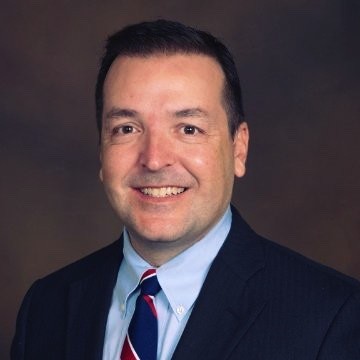
Executive Director
Scott D. Parker has served as the Executive Director of ENFINITE: The Industrial Liquid Recyclers Association since 2002. The association has over 340 member companies. ENFINITE connects, educates and protects the industrial liquid recycling industry, and adjacent services. ENFINITE members do seemingly impossible work. We take the industrial liquid waste that burdens partner companies and transform it into usable products. Through innovative purification processes we recycle, reuse and dispose of these fluids—creating a circular economy that’s environmentally friendly. Born out of necessity, we responded to the EPA initial misclassification of oil as hazardous waste in 1984. And we’ve aided in the development of their used oil management standards ever since. For 40 years, we’ve refined our inventive process for sustainability that respects our planet and industry.
Parker has managed various environmental trade associations for 30 years. He has served on the Board of Directors of the Buy Recycled Business Alliance, as Co-Chairman of America Recycles Day and as a judge for the White House’s Greening the Government contest. Parker earned his Bachelor of Business Administration (Industrial Marketing Major) from James Madison University.


