

 Apple Podcasts

 PocketCasts

 Spotify

 Overcast

 TuneIn

 RSS Feed

 YouTube

 Amazon Music
The Insecurity of Everything with Co-Author John Shegerian, CEO of ERI.
The Insecurity of Everything with Co-Author John Shegerian, CEO of ERI. Learn how hardware data security has become the biggest issue facing the world today. Also, we discuss the challenges with properly managing end of life electronics, including solar panels, and how ERI helps companies manage these discarded assets. We also discuss how John got started ERI and what drives him as an entrepreneur and business owner.
Thanks to our Sponsors: Cascade, Pace Labs, and E-Tank
#sustainability #esg #climatechange #circulareconomy #supplychain #wastemanagement #zerowaste #wastediversion #cybersecurity #ewaste #recycling #solar #solarenergy #solarpanelrecycling #renewableenergy
0:03 20 years ago, the people buying electronics off our shores, as you said about 15 minutes ago into our conversation, Sean, where people that wanted to mine the copper, the gold or the other precious metals out of our old electronics, this could have been in Hong Kong, it could have been in India, it could have been in Africa and other parts of the world. They said that's still ongoing, but only on about 50% of the electronics that are being purchased. They said, now we've tracked the other fifty or so percent of the electronics that are being purchased off our shores to people who have, and this is their terminology, who have adverse interests for our Homeland Security. They said they're pulling the hard drives and using it for ransomware attacks or using it for understanding the American security protocols and figure out ways to breach those protocols in the future. So it's a huge risk when it comes to households in America. Yeah, nations and our Homeland Security itself. Welcome to the Environmental Transformation Podcast, where we talked with industry leaders, climate champions and sustainability professionals who are making an impact in their businesses today.
1:23 Each leader solving complex challenges and provide solutions within the respective areas of expertise. And here's our host, Sean Grady. Hello ET Nation. It's time to spread the word about this podcast if you are just tuning in for the first time. Welcome and we are honored to have you here with us. Please take a moment and subscribe to the podcast and leave your review about this episode. We really need to increase our listener participation to increase our podcast ratings, and we can do that by leaving reviews on the Apple Podcast app. If you were a longtime listener, well, thank you for being a member of the ET Nation. If you haven't gone to my website yet to sign up for our newsletters or blog posts or e-mail announcements, do it now. Go to www.seankgrady.com.
2:13 That's www.seankgrady.com and become a member of the ET Nation Today. In today's episode, we are giving away a copy of John's new book, The Insecurity of Everything, to every listener who goes to my website and signs up for our newsletter. Cybersecurity and proper recycling of e-waste is becoming one of the biggest concerns we face in society today, and this book will help educate you on the importance of this topic. To receive your free copy of John's new book, I will send a link to the book request form that you can fill out and have a copy mailed to you. So what are you waiting for? Go to www.seankgrady.com and sign up to get your copy today. Welcome to the Environmental Transformation Podcast. I'm your host, Sean Grady.
3:08 Today's guest is John Shakir and he's the CEO and of ERI and the coauthor of the best selling book The Insecurity of Everything. And if you haven't read this book yet, it's actually quite amazing. It's an Amazon bestseller and you know, John is a serial entrepreneur responsible for cofounding Homeboy Industries. Financialaid.com engage in many other impactful organizations. And he currently serves as the cofounder, chairman of the ERI organization, which is an electronic recycling company and it's the largest cyber security focused, hardware destruction, electronic waste recycling company in the United States. And you know what? I think they think maybe in the world too. So this is pretty cool.
3:53 John, welcome to the show. Honor to be here today with you, Sean, and thanks for having me. Absolutely, absolutely. So, you know, tell us a little bit about your background, John, how you got started in the industry and, you know, you know, how'd you get here? Yeah, that's a great question. My, my, you know, when I think back down 59, So, you know, you try to try to understand like, how did this whole thing happen? You know, there's not really no accidents. And when I think about it, my dad was a serial entrepreneur and my mom was a social worker. She still is. My dad's passed, but my mom at 82 is still doing her job every day as a social worker. And so you put social worker with serial entrepreneur, you sort of get social entrepreneur.
4:37 And you know, I never, never dreamed of, really. There was no such thing as social entrepreneur. When father Greg Boyle and I and others cofounded Homeboy Industries, really started as homeboy. Tortillas morphed into Homeboy Industries back in the early 90s. But then after that my wife and I said we don't want to do any more businesses that just make money for making money sake and there's no shame in that. It's a capitalist society and and you know and it's one of the pillars of United States in terms of innovation and capitalism. But we want to make a profit but also make an impact at the same time and that's what we focused on, businesses that make an impact but still make a profit and make the world a better place along the way.
5:22 So that's how really I ended up Co founding ERI with my current partners, both my wife and my two Co founders Aaron, Aaron Blum and Kevin Dillon and and and so that's how I got here today, Sean. Well, that's fantastic. I mean, hey, you gotta like having, you know, some sort of a passion and a, you know, a purpose behind your your businesses and so. That's what you've done. It's a great, that's a great story. So, well, I mean tell us a little bit about ERI because you know for the ones for you know the listeners ERI is is like as I mentioned earlier one of the largest or the largest you know, electronic recycling firms in the country.
6:03 So talk about this. This is awesome. Well, it's funny. I never was. I came out of the Internet business, so I had started financially.com in 98 the year Google was founded, Sean. So this wasn't the next venture that I was planning on. I thought maybe I'd do another Internet venture or something because we really got very, very lucky. Michael, Brian, Matt, O'Brien and myself, the my 2 cofounders there. And and when when an entrepreneur doesn't give luck to credit that it's due, it's a little bit disingenuous and we got lucky. You know we this was the Wild West of entrepreneurial youknow.com days and our and our business clicked And so when I got out of that and so we sold that company to CIT in October of 2004. My cofounding partner here Aaron Blum had started this company in already in San Diego and we have become friends in 2002 where we were running financialaid.com close by. And I was sort of keeping an eye on this whole opportunity and really back then think about it this way, Sean. There was no such thing as an iPhone or an iPad. It was.
7:13 It was, you know, drones, drones and robotics, and they're not part of our lexicon. Al Gore had not won an Academy Award for the. Internet. So I mean it was really the beginnings of tides and and when you when you looked at the hard facts, the e-waste was the fastest growing sawway stream in the world back then. So there was a real need to do this business. It was the backside of the technological revolution that nobody really thought about when they were creating all these amazing gadgets and and and so we said Okay, this is a new mountain to climb. So we closed down his San Diego location, changed the name, recapitalized it, bought out some of the current partners, brought in some new partners, and we opened up in April 05 in Fresno, CA.
8:05 Now our first month of business in Fresno, we recycled about £10,000 of electronic waste. We said all this is great, it's going to be a nice little localized california-based business and and then if you Fast forward 17 years later, last month, you know we recycled about give or take £20 million of electronic waste. So when I say we recycle responsibly recycled that means none of that went to a landfill. So when done right, Sean, zero waste, 0 landfill and 0 emissions coming out of our own factories. And that's a powerful story. It's amazing. I mean that's that's that's really impressive plus it's kind of you know talking about the circular economy concept too like you're finding end users for the products and and taking a you know waste stream and and making it A use for you know future use and reharvesting the good parts out of it.
9:01 And it's interesting your story started kind of like in 2005 and and creating this business, you know? I went into consulting in 2002. I was a regulator for eight years before I went to consulting. Then I went into environmental consulting and I started a group in my company called Waste Services. And so I was in. I was responsible for building a group inside our company and all we did was contract with vendors like yourself and other disposal companies on behalf of our clients. Because, you know, waste is a complicated process and it's regulate regulated in a lot of different ways, especially from the industrial side, you know? MSW is pretty, that's pretty straightforward, that's easy. But the, you know so we grew a business like that and I just recently stepped out of that business and at the end of 2019 had 50 people. All we did was manage business.
9:49 Created a software for it, then I went into our digital practice. So we've got a little similar business here. You were doing that in North America? Yes. And I still still focused on, I'm still connected to it. So maybe we can talk offline at some point to get more Intel on that. But there's a lot of similarities here. You started it when the e-waste was becoming a topic like how do we deal with e-waste, right and. You started that process now also interesting to point out, which I know you know because you're you're you're heavily involved with the business as well. Back then, Sean, there was no such thing as Chief Sustainability Officers. Here, No es circular economy weren't words that were used. No trash disposal in the United States and North America. So it's truly when you were you know, evolving your business and we were evolving ours.
10:43 It was the beginnings of time really for this, you know, this whole shift which is now seems to be an unstoppable shift from a linear to circular economy. But there's a lot of time in between 05 and 2217 years of. Absolutely no climb. Absolutely. I mean and and to think of you know in terms of the. You know, as waste. Professionals, we were always looking to recycle reuse as you know the the, the pyramid, right Everybody was like hey what's the waste hierarchy and. And that's how we talked about it, but we didn't talk about in the in the terms of ESG and sustainability and that really vernacular really started to come into play in the past, you know three to four years. That's it. And and now it's like well, we've been doing this for a long time, it's just we didn't call it that. And so we're truly like the the original, the OG of sustainability people, right, Right. We were early, but now the world's caught up to us. So that's actually, it's fun and exciting. You know, we're vindicated.
11:39 That's right. That's right. I love it. I love it. Well, why is e-waste the fastest growing waste stream on the planet? Yeah, well, that's interesting. It's, well, that's, let me just even qualify that. It was the fastest growing sawway stream back from 02 to 05 when we were studying about getting into it and got into it. But now, Sean, depending whose numbers you look at, it's two to four times the fastest growing solid waste stream. So it's even accelerated in terms of its growth over the number two fastest growing solid waste stream, which is a post consumer solid waste plastic. So let's think about this, what didn't exist when we got in the industry.
12:23 So I'm wearing as a wedding ring, I'm wearing my aura ring here. This is e-waste when it comes to its end of life. I'm wearing my Garmin watch, which has a lithium ion battery in it. That all probably. I mean, we must be cleared. We're ready. The same suit, the same shirt. I mean, Jesus, someone told us how to dress today. You can't write. You can't make this up, John. This is crazy. So, so now you have all these wearables that you and I are both wearing, obviously. And then you have the Internet of Things, you know Nest and and Ring and all that Internet of Things plus also the EV cars have become computers on wheel. So, so the the, the proliferation and the ubiquity of electronics now have made it even expanded the problem. And when you look at the UN, the United Nations numbers, these are about 5 years old.
13:12 So I just want you and your listeners to have a little context. Only about 17% of all electronics that are being used in the planet today are being responsibly recycled when they come to an end of life. So for us it's still shown the top of the first inning and the delta of opportunity for us and and other opportunity, you know other entrepreneurs out there is it 83% delta, it's massive. Massive and everybody, there's plenty of pie out there to be had, right? You know, it's not like, no, someone's got the market here, so that's really cool. But you guys are well positioned to really? Launch even bigger than you are. I mean, you're already huge. Yeah. And think about it.
13:52 And I'm here in Indianapolis and so I know you have a site right over in Plainfield. That's our biggest facility in in, in the United States. It's called the biggest facility in the world. And when when my wife said years ago, about 15 years, 14 years ago now let's put our third location in Indianapolis in Plainfield, I said why she's and she came out of the food industry. She said, John, logistically speaking it's the crossroads of America and boy was she right. She did that nail on the head. We opened there and we've always been we we, we grew that from originally a 50,000 square foot building to 75 to 100. Now we're up to about 380,000 feet in in Plainfield and Amazon built one of their largest distribution centers there as did so many other huge and wonderful brands and.
14:39 Walmart's closed. Yeah. I mean, you know, right. And it's a great state to do business in. The people have been sold amazing to us. You know both the state, the state leadership and also just the employee base. It's just it just couldn't be a better state to do business and so business friendly. That's great. Now I agree with that wholeheartedly. Did you know E Tank is the only environmental rental equipment company in the industry that offers a 100% certified clean guarantee and no additional cost? Well this gives customers the Peace of Mind knowing that container contents from the previous renter isn't going to cross contaminate the contents of the current customer and potentially cause liability concerns.
15:24 You know, E Tank also provides a one-of-a-kind complete maintenance program for all its rental items, including liquid tight roll off containers, fluid transfer. Pumps and Filtration System Components To learn more about the types of containers that pumps E Tank supplies, check out their website at www.etank.net. So the next time you are faced with an environmentally challenging project, give E Tank a call to help solve your problem. It's just that easy. Well, you know, with e-waste being both an environmental and a data security problem, how serious is the issue of hardware hacking and discarded, you know, electronics? Because I think that's like the big secret of the big worry that, you know, people aren't really talking about, yeah. And by the way, that's really what your book really gets down to.
16:14 Is that? So let's dig into this. Yeah. And thank you for showing the book. And by the way, just so you know, Sean, here's the offer I'll do for all of your listeners, anyone who wants a free copy of the book. Because I didn't write it to make money or to be Shakespeare or or or or any type of fancy purpose except just as an education tool. Because it is a big secret. It's still a big secret. So here's the deal. When we start, we started this company. We started paying attention to other data points out there. So we saw the advent and rise of Palantir. They started about 2003 in Silicon Valley, 2007 LifeLock in in Arizona and the whole issue of personal privacy.
16:55 And we started paying attention to this word cybersecurity that was being used more and more, you know on the in the media and and and and everything that we were seeing. And in about 2011, 1213 we started saying you know what if shredded made a business out of shredding data on paper. We're going to focus with our shredders, which we have the world's largest E way shredders anyway and unresponsible hardware data destruction. And we started messaging that and people looked at us like we were a little bit off, like, I mean, not really, yeah. Yeah, Really. I mean, what's the big deal? You want to destroy my hardware data? Come on.
17:37 I mean, you're done with it. Yeah. Yeah. And they were already, I mean, listen, as you know already, because you're right in the middle of the industry as well, they're already skeptical of just the e-waste industry itself. Like, why parse out our trash even more? Come on. It's a waste of time or is it really necessary? And then there's the concerns that people just taking the the East scrap and selling it to 3rd party, you know third world countries and they're worried about that and proper disposal. So it became it's been coming an issue, right, right. So then we got lucky like like everything else like every other venture they that that actually evolves and gets bigger and doesn't go out of business with all the potholes and and you know and hurdles that are facing the entrepreneur and we all face them.
18:20 There's nobody that's immune from that. You and I both know that at the since, we've both traveled the entrepreneur's journey. So at 2017, I was at a cybersecurity conference in New York City speaking at it on a panel and A and a young man named Robert Hackett, who was the lead writer for Fortune magazine, walked up to me after the conference was over and handed me his business card. Say, hey, can I have your business card again? My card goes, listen, I'm going to talk to my editors, but I think we missed this issue at at Fortune. We've been covering just the software part of cybersecurity. Let me get back to you in about a week. And Trudeau is worried About a week later, he called me back, said my editor said go for it. Nice.
19:02 They wrote an article on us. It was called Dead but not forgotten. And I'll spare you all the terminology in the article, but the last two sentences of the article go like this, Sean. It turns out that e-waste is not only an environmental hazard, but a cybersecurity one as well. And we took that article in the hard copy of Fortune and we took it to every potential client and and and already ongoing clients. And we prosecuted that article and said This is why this is an important issue. You guys got to listen up and for the most part, once they're educated, they really do want to do the right thing. But the problem is I had a I was asked to speak in front of a bunch of ex investment bankers that have now investing family office money.
19:51 All very well, very well known folks who've been doing it for 20-30 years and we had a Zoom meeting about a week ago. None of them even heard of this side of the industry, the cybersecurity side. It's still the great secret of the cyber industry, and the data risks that that are that lurk within all of our old hardware could be catastrophic if they get into the wrong hands. Yeah, I mean, you know. I read your book and I just was fascinated by just example after example. You know, industry after industry having the same similarities. It's like it was repeating the same theme over and over and I just kept going, wow, okay, it's, you know, So what led you guys to write this book? And you know what?
20:41 Do you hope the people will learn from it? Because. I mean, it spoke to me even in more detail. I mean, not that I didn't know this was an issue, right? But now it's like it's become more aware in front of mind and it's great and it's becoming bigger and bigger every year. It's bigger, but we wrote it because again, there was no book really on this topic that we saw out there in the marketplace that was educating people. So we said let's just write it as an education tool. Let's just get it done as fast as possible and get all the best information as possible and then make it as available to as many people as possible. Amazon did a great job marketing it as well and they they really helped optimize it.
21:26 It became an Amazon bestseller in the cyberspace, just to be clear. But that's why I even say I don't want to make money on it. I just want your listeners to get it in their hands and just it's a it's a one night couple hour read in bed. But it will at least give a good overview that even if it if you don't work for a big company or big organization just to protect your own household. You've got to make sure that the folks that handle your old electronics when they come to the end of life are responsible and are going to do the right thing with it. Because you just don't want your household, or if you work for a big corporation, the the electronics that you touch in your job or in any other capacity to get into the wrong people's hands. Yeah, No, exactly.
22:12 I mean, yeah, we want the listeners to get a copy of this book too. I mean, we want them to pick it up and read it and educate themselves more than just what this podcast is doing for them. You know, the ET Nation is pretty, pretty loyal and they're really listening to a lot of the, you know, the episodes that we have and the great content that we're bringing in every every other week or so. But you know, this is a topic that they all need to focus on. You know, it's not just all about ESG or climate change. This is another very important topic that they need to take a listen to. So, and I think your book really lays out the, you know, the argument of, you know, hey, software cybersecurity has been really, you know, has been more addressed in in front of mine with a lot of people with, you know LifeLock and lots of other type programs but.
22:58 Again, what do you do when you're done with the actual product and you and now our society is such disposal society. I mean they like, hey, I got a new iPhone, the darn thing works great. But I want the newer one and you get rid of it. Well, all your personal information is on that, that device and is it getting destroyed or recycled or reused probably or you know, or wiped out. So everything's there. I mean it's not happening. I was read the, read the statistics. You said you know, reused. Equipment that's purchased is 47 or 50%. You know, it's got personal data on those those devices that are resold and that's compromising people's personal lives so 100%. And the stories with regards to electronics that they use that large organizations.
23:46 So these three letter agencies that we know that are tasked with protecting this great nation and lovely people who even on a benign basis, when their laptops or other electronics come to the end of life, those people have been found putting their old electronics up on eBay or Craigslist. I don't know how that happens, but that's crazy. But it's true. And I would never say that if I didn't know that to be true. Now in the office I'm sitting in right now in Fresno, CA. Sean, we have the ground floor. ERI has the ground floor. On the third floor is the FBI. Now this part of the FBI is a division of FBI, back slash, Homeland Security. And we've met with the folks in this building and they've come and educated us. And they said, listen John, and they said this to our executive team 20 years ago.
24:33 The people buying electronics off our shores, as you said about 15 minutes ago into our conversation, Sean, where people that wanted to mine the copper, the gold or the other precious metals out of our old electronics. This could have been in Hong Kong, it could have been in India, it could have been in Africa and other parts of the world. They said that's still ongoing, but only on about 50% of the electronics that are being purchased. They said now we've tracked the other 50 or so percent of the electronics that are being purchased off our shores to people who have, and this is their terminology, who have adverse interests for our Homeland Security. They said they're pulling the hard drives and using it for ransomware attacks or using it for understanding the American security protocols and figure out ways to breach those protocols in the future.
25:22 So it's a huge risk when it comes to households in America. Yeah, organizations and our Homeland Security itself. Yeah, no, it does. It does make you really think about, you know, how I should be disposing of, you know, electronics and and it's funny. I mean, I would imagine every American today. Has at least 5 to 10 electronics sitting in their house that they're not using anymore. I can count at least three or four different phones I used to use that don't that are just sitting here because I haven't sold them or I haven't done anything with them, or I got old computers and I haven't done personally, I haven't done a really good job of going and wiping all the data on them.
26:05 It's like, and maybe I don't know how to do it properly, that's that's the issue most people, Most people want to do the right thing. Sure, let's be honest, most people are truly good people in this country and around the world. They want to do the right thing. But when they don't have the knowledge or it, you want to know. As you and I both know, one of the trademarks or pillars of good recycling is easy recycling. And if it's not easy or they don't understand really how to do it the right way, it just freezes it. So that way people get frozen and they just hold on to this stuff. Now your numbers were very conservative. According to the EPA, the average person in America has 23 old devices sitting in their home or office looking to be disposed. So I mean it's, it's, it's, the numbers are staggering. Well, that's only going to proliferate, right, with this whole Internet of Things And and we're going to get into that conversation because I I've got a big question on that one coming up.
27:02 But you know how bad is cyber crime? I mean, you know, I was reading in the book, it said globally it's a it's it's it's costing the economy $6 trillion a year. You you got the, you read the book and you got the numbers exactly right. Now here's the real interesting part of the six trillion We were raised, Sean by by our parents and most people raised by their parents telling him crime doesn't pay. Unfortunately, cybercrime wasn't around when we were kids. Fortunately, it wasn't around. And what's what's turned out to be a cybercrime does pay for the for the bad guys. And so in 2015, just seven years ago, the number was $3 trillion that the bad guys made away with that year. And now just in six short years, it's expanded to to to from 3 trillion to 6 trillion.
27:53 It's a $3 trillion spread and it's growing just as fail. So that there's it's it's incredible how much they're getting away with and why make their job easy. You know, they're already, they're already winning this war. It's it's up to us to protect ourselves and to protect the organizations we work for or with, because if we don't do it, nobody else is. Well, and I think most average Americans or most just average citizens and no matter what country are you feel like you're. You're kind of defenseless cuz you just don't even have the knowledge to know what you need to do to protect yourself or the technology background to do that. I mean, like, you know, I read in the book too, which is kind of amazing is like there's a cyber attack happening every 39 seconds.
28:42 Today's episode is sponsored by Cascade Environmental, the only field services contractor with the experts and equipment to support you from project conception to completion. In addition to the drilling and Site characterization services that Cascade is known for, they also offer turnkey insitu remediation services that include a line of injectable amendments that target tough contaminants like Dean Apple Chlorinate solvents, TPHPEA H's and PC B's. To learn more about their in situ remediation services and their line of ejectable chemistries, check out their website at www.cascade-env.com/remediation contact Cascade to help you start cleaning up your site today. And my question is, do we have enough laws to protect us in this space?
29:35 I mean. I mean, where are the laws in the US? That's what I'm really concerned about. Yeah, well, it's a great question. Thank gosh. In May of 2018, the EU passed GDPR, which was privacy laws surrounding the misuse of information by corporations or other organizations in the EU. And then the EU can met out fines which they've done since 2018 that are not protecting their users or constituencies data appropriately. the United States saw what the you did and many times the US is informed by stuff that's going on in in Europe that they think is doing it better or more forward thinking that we're doing it and they started coming up with their own versions of GDPR.
30:21 But as Washington goes, as you and I know. Politics is playing, you know, their role in everything, unfortunately, some ways. So the states then took it upon themselves to say we're not going to wait for you goofballs in DC, we're going to do this ourselves. So, so far, seven states have passed their own version of GDPR. And when you talk to the real people that are the the the smartest people with regards to security and data privacy issues and laws, they say every state in this great nation by 2025 will have their own version of data privacy laws. Already California, New York, Nevada and many other states have it. But other states are going to follow. And there's going to be just a toughening and a tightening on these issues to protect us, to help us protect ourselves, but also to make sure that those who are abusing our data get punished along the way. Right, right.
31:14 I mean, yeah, I mean, where are the law? I mean, like if someone's stealing your identity, you know this. These types of white collar crimes need to have more. Wait, behind the the, the sentence in my mind. I mean this. We got to prevent these people from doing this stuff. Well Sean, you and I both know our our own personal information has been breached over the years because how many times on our cell phones do we get calls, cold calls from sales people because their company hurt this that we're on. And those lists are all basically on in the in the sell those lists in the black market and make a fortune doing so. Yeah. Now, yeah, that's and that's a good point. You got those robo calls that come at you and you're like, I didn't sign up for this, but, you know, somehow they're getting our information or get these random texts from people and it just it's it's crazy, it's it's nuts. But, well, how important is it for us to properly dispose of our electronics to, you know, protect our personal information?
32:18 It's it's it's important. Like, listen. And it's not that hard. I'll give you a couple of ideas why. There's three organizations that your listeners should really clue into for on the environmental side. And it's really important to responsibly recycle your old electronics just to protect the environment, just to be good to our country and to mother and to and to Mother Earth that we all inherited together and we're sort of tasked with taking care of. That's East Stewards and R2, Those are the two best environmental standards. So look for a recycler in your area wherever you sit in the United States or around the world who listens to your great podcast, Sean, that they should be at least E stewards or R2 certified.
33:04 That's on the environmental side. When it comes to the data protection side, they should be that recycler should also be made Certified National Association of Information Destruction. Now, that certification was originally created 25 years ago for the paper shredding industry. But the the great gentleman Robert Johnson, who wrote the forward to this book, The Insecurity of Everything, then revamped his standard about eight years ago to include electronics. And then he made it available to electronic recyclers around the world and good electronic recyclers that are doing the right thing with your data, signed up for it and got certified to it and get recertified every year. So your listeners and viewers should sign up for recyclers to use in their local area that are either eastwards or R2 and NAID certified to make sure that the data is being protected and destroyed and also the environmental standards are being adhere to and the and the environment is being protected as well.
34:09 That's a great point because you know I do a lot of third party disposal audits for, you know some of our clients and yeah, on my day job this is my, this is my moonlighting site here, right. So let's be honest. But but you know we do third party disposal audits and we look for that need certification in R2, you know for all that you scrap. For e-waste, you know, recycling vendors because our, our clients want to know where the waste going are they certified and those are one of those, you know, requirements that they have to check the box. So those are those are important for for industry folks and for just, you know, personal folks too. So that's really good. I mean, well, what are some of the the latest or most exciting innovations you've seen that you know, in the e-waste recycling, recycling sector today?
34:56 Yeah, that's a great question. Where we're AI and robotics and more automation, that's really where this industry is going. We, we started using AI and robotics about five years ago. It's been tremendous because it's helped us create cleaner waste streams and commodity streams, which is terminology I know you understand for our, for your listeners out there, you know the cleaner the commodity, the cleaner the shredded steel, the cleaner the shredded plastic or aluminum or copper, the more you're able to get for it from the smelters around the world. So A I and robotics have been able to help us create cleaner commodity streams, which have created more value for ERI and and more automation as well, which is great because it lets us speed up the processing and take on more customers and more, more products. And there's going to be more and more that happening in our industry in the years to come and that's very hopeful for us. No, that's good.
35:51 So when you know with those type of automation and innovation that you know your guys are deploying, do you guys? Pretty much process all your, you know, e-waste or do you use also other third party vendors in the process? OK, it's great question. We process everything ourselves in our own facilities in the United States. Then all the commodities get resold to smelters around the world, many of them which are partners in our company. So Alcoa is an investor in our company and they sit on our board LS Nico Copper, which is the Coup family. The founders of LG Electronics own the second largest copper smelter in South Korea. So they they process all of our copper and precious metals. And then two years ago, JB Straubel, the cofounder of Tesla invested and he sits on our board as well and he processes all our lithium ion batteries.
36:40 So there's we process everything, separate everything and then sell those commodities separated to the responsible smelter partners that we have in the United States and around the world. So that's the fun part of our business that nothing goes to a landfill, the environment wins and all of those products go back for beneficial reuse and so they they. Checking all the sustainable circular economy boxes there, John, That's amazing. That's fantastic. I love that. And then having some like ALCO on the board, even better. I mean you know they've got a vested interest in making sure you know you guys are processing this material and sending them good product. That's right. And same thing with JB Strobel, same thing with Ellis Nico, they all sit on our board. And Ron Gonan who we we were talking about before we were on the air, he also invested as well and he also sits on our board.
37:29 And so you have these really in many ways iconic and visionary brands that have all exceeded and and really excelled in their specialty spaces for many, many years. And so it makes a little company like ours, you know, relatively speaking a little company ours get to have visibility and act like a big company because we have some of the greatest minds in the world sitting on our Board of Directors and that's that's been really one of the trademarks for our success. You got blue chip support. I mean that's the that's it, right? Better than I could. You know and then tell, tell, talk a little bit about where you see solar panel recycling. I I see a huge opportunity in the industry in the next 10/15/20 years with solar panel recycling because let's think about it.
38:18 Solar panels are good for a certain period of time and then they're going to have end of life use because maybe the efficiency of them aren't is good and things like that. I mean, you know talk about what you guys are doing around solar panel recycling. We are doing it already. We did R&D for about 7 years on it. So basically our partnership with Redwood sealed the deal on that. What do I mean? We always have worked on putting the solar panels through our shredding and dismantling processes of here at ER I, but we ended up with what are called meatballs. You know what the meatball is at the end, so it comes out of the shredder, but it's still this massive BLOB. It's. Not really the ideal piece.
38:58 Yeah, we didn't know what to do with it, and the other smelters around the world really didn't know. But JB Strobel, being who he is and his massive success and engineering prowess, he figured out what to do with it. He takes those meatballs from us and then he smelts them down and recovers other materials out of them and then sells that also to the markets. So solar panel recycling, as you said, is in its nascent stage right now, but it's going to grow and it's going to be what we think of one of the last with lithium ion batteries, one of the last miles of responsible e-waste recycling. Yeah, because all of those panels are made with raw materials that have value like silver and aluminum and other. Copper, copper, right.
39:41 And and so each panel has kind of a base value that you can you can generate some revenue off of. And so how to do that properly and maybe even know like what the value is of these products when you when you buy them or recycle them, It would be great to know that's 100%. And and as you point out, the interesting thing is solar panels are really built to last 25 or 30 years and they will. But what's really happened when you talk to the solar farm owners across the United States, the technology improves so fast now, Shawn that there's a huge ROI for switching them out every five to seven years and instead of leaving them in for 30 years.
40:22 So what happens to all those old panels and that's that's the opportunity. Well, and just let's, you know, let's dive in, just double click on this whole solar field thing just a little bit cuz it's so interesting, John, what if every residential property had a solar panel, you know, array on their rooftop or something similar. We would reduce climate change in a heartbeat, right, In a heartbeat. And then you've got the, you know the storage of the material or the of the energy that's generated that we need to kind of solve and fix. And you know companies like Tesla and others are doing that, which is great, but there's others that are out there doing this as well coming up with solutions, what you know we, how are we going to transition?
41:06 I mean, that's where I see, you know, we really need to transition as a society into taking more advantage of these renewable energies. That's exactly right. And that's why guys like Ron Gonen are thriving, because his idea of starting to close Loop fund about seven years ago or so. Was so ahead of times. Because really the idea is we need to invest more in these renewables and make them more ubiquitous to all of us. Not only, like you said, knowledge of big businesses for their rooftops, but like you said, if every household had this on, you know the we would, we would change the world and that's our opportunity. Yeah, absolutely. And then you're going to be in a nice position to, let's think about it, right. Right.
41:52 Come on. That's a little bit of a good happy accident at the end of the at the end of the road, but one that we didn't plan on. You know, when we went in, we were, we never were thinking about lithium ion batteries. We never who would ever think they would become, they would become embedded in ubiquitous to small electronics. And then we weren't thinking about solar panels. And by the way, we weren't thinking about having Teslas. Client, but they're a client now because think about when you return an EV car on lease or on sale and all the data that it downloads on you, someone's got to destroy the hard drives in. These opportunities are just so varied that we were never even imagining 1718 years ago. That's amazing, John, just, yeah, I mean the opportunities to, you know think I need to invest in ER I this episode is. Sponsored by PACE People Advancing Science to Protect our environment and Improve our health. PACE provides an unmatched depth and breadth of testing and analytical capabilities along with professional services for your in house lab needs.
43:03 They have the expertise, capacity and delivery infrastructure to provide the certified results you require, when and where you need them, with over 40 years of innovation, more than 500 certifications and accreditations. PACE is serving customers through over 100 lab and service center locations with mobile lab onsite and emergency response service options available at PACE. They honor their commitments so you can honor yours the next time you are presented with an environmental testing and analytical needs, turn to PACE. To learn more, go to www.pacelabs.com. That's www.pacelabs.com. All right, so how is the Internet of Things going to affect the production of e-waste and cybersecurity concerns? I mean, every now we got smart cities, everything is like, I've got ring, ring, doorbells at every corner of my house. I mean, you know what?
44:00 Well, and not only that, also the the, the, the data, the the basically the, the data centers that AWS and all these other great Microsoft and all these other amazing brands have. I never thought we were going to be recycling the server farms that are not being built now in Moss. And so every opportunity is out there. Like you said, Ring Nest. These Aura Rings are Garmin watches that you and I are both wearing. I mean. This stuff has to go somewhere and both on the data side and the protection side and on the Environmental Protection side and that's the real opportunity. So really it's a two step just like what you do for your business, your day job, Sean, first it's education and then it's action. And that's really the two step that we engage in every day here at ERI.
44:51 We educate the marketplace. And at the end of the day, most big corporations and most people wanted to. And people run. These corporations want to do the right thing. And then the business comes your way. And the truth is, as you and I discussed earlier, it's not a 0 sum game. I want other entrepreneurs to come into space in the United States. Around the world. Shame on us that we're at 83% not being recycled. We should be able to, we should get that number, reverse that number. They should only be 17% not being recycled and 83% being responsibly recycled. Yeah, no, I agree. And I think the more education will get there, I think some laws in place would be helpful too. I mean if the the Congress could get off of their you know political fights and and and come down you know and meet in the middle let's get something done because you know this is becoming a problem for you know our country. I mean well what can people do or what can people and or businesses do to be more responsible in terms of recycling these electronics their data protection and end of life.
45:55 I mean, you know, like if you've got these products like I have cell phones and and some other, you know, computers and like in my local community we have like an electronic recycling depot that you can drop things off at. But I don't know where it's going. Well, that's the key you it's it's it's up to us as responsible citizens to ask our public servants and they'll tell you if they made they made wise decisions, they build, they'll be transparent. You have to ask him who is The Who is your chosen vendor for your city or municipality. So that way you can have Peace of Mind. Because if you if they won't share that information for you, I would I would say do not use that local opportunity. Now you have others in your community is shown in Indiana and around the nation.
46:46 Best Buy uses only responsible recyclers to the standards we discussed earlier as the staples, as does Costco and many other great brands. So there are massive and great opportunities out there and many cities are doing the right thing and that have great leaders and great public servants making good decisions. But it's up to us to ask 1st and not make a bad mistake. Well, what about your eyes? Mail back program? That's true. I'm glad you put that up. I'm glad you put that up. You can go to our website and if you don't find a local opportunity, you can actually order a box.
47:26 We have 17 sizes of boxes that can be. You can just pay for it online. The box will be delivered right to your house or small business. Fill it up at your own leisure, on your own timeline with all your old electronics. Print the label. And then just e-mail UPS and UPS will pick it up and deliver it to one of our 12 facilities in eight states across the nation. We cover every zip code including Alaska and Hawaii. So if if that's the way you want to do it, then you could use our services wherever you sit in the, in the, in the United States. Well, that would give you, you know, more users, a piece of mind in my opinion. Right. Right. It's like, I know John's going to take care of this properly, you know.
48:08 So I'm, I'm gonna send it to John, you know, let's go there. That's the only job. Yeah, you. And this is only what we do and what we love it. So I would love people to use our box for when we started in 2012. And every year Double S in size because more and more people are very comfortable now with boxes being delivered to their homes, obviously with at with Amazon or Walmart and DoorDash and all these other great delivery services. Now it's also very easy to send boxes away from your home or small business and and we make it easy for you. So you know some of these mail, do you have mailbox for lamps and other things too I mean? Batteries, lamps will handle it all.
48:50 I think I need to get my some of my employees to reach out to you about setting up some some contracts that we can work with you guys too because I they use some other providers, but I think you might be somebody they need to connect with Love. To do it and you connect them. I'll connect them well. Tell us a little bit about what you see going on in the industry in the next 5 to 10 years. Yeah, the industry is going to grow, there's no doubt because there's going to be a whole new wave of entrepreneurs that come in, Shawn. And listen, that 83 percent is is is ripe for the taking and there's a new generation that are so excited to help this. This generational shift from a linear to circular economy happen, and that's what really is great for you guys like you and me, because we were The Pioneers out there, as you said back in old Five, starting this whole stuff, the the OG's and The Pioneers. But there's a new generation behind us and they're on fire for this.
49:43 They're studying it in college, where when you and I went to college, we didn't have that. We didn't have it didn't exist. Sustainability didn't exist. You can get you can get degrees in that now. That's right. So they're they're graduating and they're they're like gung ho to come in and the best I could do is I got a biology degree. So I mean, I was pretty close, right, You know? I was Poly size, so that was it. Wasn't that close to anything, but it it got me to where I have to go anyway. So yeah, you were figured out people. But the truth is that, like you said, they're graduating with sustainability degrees and they're excited as heck to come on in. And take Torch from us and keep moving forward. And I really do think that's where it's going to go. Yeah, I agree.
50:23 I agree. Well, you know, hey, what advice do you have for our audience when it comes to, you know, recycling electronics? Two things. One thing is first of all, you know when you listen to the media and you listen to other folks, everyone likes to point a finger. Unfortunately, in this country, Sean and Vilify one of the stakeholders, the manufacturers or the retailers or the consumers. And the truth is. Those days of vilification are so old and so done. This is the time that we should all just be working together to come up with ecosystem solutions that are good for the everyone, it's good for the planet and good for all the stakeholders, because we're all stakeholders in the planet Earth. And then then to just us singularly, we can all do more. That goes from myself and my household. Even though we have solar and we have EV cars and you know, we try to walk the walk, we can all do more. And it's our responsibility to do a better job, to take care of this Mother Earth that we all were lucky enough to be born into and that we're going to leave behind for our children and grandchildren one day.
51:26 Let's just do more and do it together. Not vilify anybody, but bring us all together, get all the stakeholders. To work Better Together and make the world a better place together. And man, if that's all you remember from this podcast, then then that's that's a good message to leave people with. Yeah, absolutely. You know I always closed my my podcast with you know make a positive impact in someone's life today. And and you know John, you know what you've done is come on the show and you're making positive impact in my life. Just having you on the show is great, but other people listening is is awesome because they're going to read your book and let's talk about this. So we'd like to give a few of these away to some listeners if we could. Is there something we could do today, you know? Or at least get that out?
52:10 There, they write to you. You send us their name. If they send their name and address where they want it mailed to, and they send it to you, you send us that list, Sean. All of your listeners. I don't care if fifty of them or 1000 of them e-mail you. I'll get them all a free copy of the book within the next 30 days so they can look at it themselves and they can make their own informed decisions. That's amazing. You know ET Nation, you better listen up. It's got a great opportunity to get a new book. It's amazing, great book. It's a great read and you'll learn something and you know what? You'll learn something about John and his team and what they're doing to really help solve this electronic waste problem we have in society and how he's, you know, creating a circular economy is part of the business.
52:54 It's a great and he's addressing ESG and sustainability all at one time. It's great. John, thank you for coming onto the show today. I couldn't be more happy to have you on. It's been a great conversation and I'm sure we will stay in touch over the time and let's let's continue the the impact that we're making in the Society of with environmental messages like this, that's great. Sean, continue success with your podcast and with your day job business as well. It's people like you that make the world a better place, and I'm honored just to participate with you. That's great. Well, we really appreciate you coming on and our listeners do too.
53:36 I want to thank our guest John Shakirian for coming on to the show today. If you want to learn more about ERI and the services they provide, you can go to www.eridirect.com. You can also receive a free copy of John's new book, The Insecurity of Everything, by signing up for my newsletter by going to my website at www.seankgrady.com. If you want to follow John via LinkedIn, I've also put a link to his contact information on my website to listen to future environmental transformation podcast. You can check us out on Apple Podcasts, Spotify, Google Podcasts, and other podcast networks, or better yet from my website at www.seankgrady.com.
54:17 And you can also follow me on Instagram or the Environmental Transformation Podcast Facebook. Page If you enjoyed the episode, don't forget to subscribe and tell your friends. We'd also love to hear feedback from the ET Nation about this episode and any future podcast topics you'd like me to cover. Well, thanks for listening and until next time, make a positive impact at someone's life today.
CEO / Author
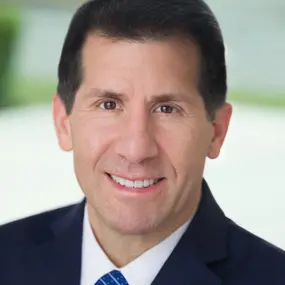
John Shegerian – the serial entrepreneur responsible for co-founding Homeboy Industries, FinancialAid.com, Engage and many other impactful organizations -- currently serves as co-founder, Chairman and CEO of ERI, the largest cybersecurity-focused hardware destruction and electronic waste recycling company in the United States.
