

 Apple Podcasts

 PocketCasts

 Spotify

 Overcast

 TuneIn

 RSS Feed

 YouTube

 Amazon Music
Sustainability Reporting and ESG Ratings with CEO and Founder of CSE Nikos Avlonas.
Sustainability Reporting and ESG Ratings with CEO and Founder of CSE Nikos Avlonas. Learn the importance and role of a Chief Sustainability Manager and the high demand for Sustainability Professionals. We also discuss the new SEC Proposed Climate Disclosure Rule and it affect it will have on businesses in the future.
Thanks to our Sponsors: Pace Labs and CSE
#esg #sustainability #sec #climatechange #climatereport #ghg #scope3 #esgreporting
0:03 What's your take on the industry Trend? Right now is of top Executives and their compensation tied to ESG performance, right? Yes. We have a new trend. We are in the very, very early beginning of this trend. Very few organizations have created bonus schemes that are related to the east sea, ratings of the companies. So the higher, the rating of the company, And the better, the bonus and that this is great. I mean, this is, again, are very early beginning of this is transformational, to be honest with you. I mean, when I think of it, this just is just come out about, like, in the past year and a half to let really about a year and a half. Yeah, you know, compensation was always tied to Performance or production or, you know, you know how much profit, but no now performance is going to be tied to, how well they're doing with their ESG performance.
1:00 Immense and reducing greenhouse gas. That is a game changer. It days of cost profit. It's still better, right? Wow. That's like an element but it's not deleting one anymore. It seems like, yeah. I mean he's G is becoming a very important element about the future of a company and about Investors. So investors and financial institute, they're going to invest in common is that they have limited risks. Welcome to the environmental transformation podcast where we talk with industry leaders, climate Champions and sustainability professionals, who are making an impact in their businesses.
1:47 Today, each leader solving complex challenges and provide Solutions within the respective areas of expertise. And here's our host, Sean Grady. Hey, have you noticed it's harder and harder these days to you do earn your continuing education, units, or those certification maintenance points to maintain your industry. Credential also, are you tired of attending online conferences and not really getting what you expected out of it? Well, look no further. Go to www.investmentpitch.com summation, podcast.com and sign up to watch one of my episodes and earn one CU for only $10 per episode. Have fun watching any of the episodes on my listening platform.
2:29 Take a five question. Quiz at the completion of the video and receive a certificate of listening to earn one ceu for your time. More importantly, you get to choose which topic you want to listen to and the best part, how can you beat ten dollars for a see. You also, you'll be able to stay up on industry Trends regulatory updates in the hot topics of the day, like ESG, pfos, circular economy, climate change and so much more. Where else can you earn one? See you, while you're working out or taking your lunch break? I can't think of a better. Better way to meet your ceu requirements. So what are you waiting for go to www.investmentpitch.com ation podcast.com and start earning yours today?
3:16 Welcome to the environmental transformation podcast. I'm your host, Sean Grady. And today's guest is Nico, Avalon has, he is the director and the president CEO of the center for sustainability and Excellence. Welcome to the show. Niko's Thank you so much song for having me in this. Oh well I did. I'm really excited to have you back is you are one of our repeat guests and this is exciting because you know this is an important topic and you being one of the resident experts in the industry who better to come and talk about ESG. Thank you so much for your kind words. I ESG is a very complex issue. It took me 15 years in order to understand better what's happening and is involving every every single day Yeah.
4:00 Absolutely. I mean it's been a Hot Topic in the industry for the past two two-and-a-half three years and more so lately. But what I'd like to do with this episode is kind of break this interview into like three segments that way, the listeners can, you know, take away bite-sized chunks of the interview so that they can break this down into more understanding and we can really get into some details to cover some topics. So the first topic I'd like to talk about is Let's introduce the listeners to the Center for sustainability and excellence and talk a little bit about your history and then, let's talk about ESG and what this all means. So give us a little bit of background about si si SE and you know how you got started. Yeah.
4:47 We get started 15 years ago in Europe. We were the first company which we started the new sector, which goes to stability Consulting, and Training Services. At that time. There goes number No one in our sector. We were the only one and was very proud about that. Starting a course sector today, it's 35 billion dollars sector, so it has growth a lot CS. It was always a thought leader and pioneering in its ESG consulting services and also was a training company was trying to certified and qualified sustainability professionals all around the globe, so why are we start with the Europe immediately? Survived.
5:31 We move on to Chicago where we establish our Global headquarters at. Now, we have activities in North America, Europe Gulf, countries, and Asia, more or less. We work with Fortune. 500 firms, private institute's governmental agencies and sometimes we smaller firms and we have trained over 95 percent of Fortune. 500 firms in 90 countries. Wow! Wow. So you guys are obviously one of the Regional sustainability practitioners and education leaders in the industry and it's really great to see that. You know, you kind of been able to bring your business to the Forefront with this type of service because as you know and everyone else knows right now. That's listening ESG is the topic of, you know, top of everybody's mind as it relates to the industry sustainability and everything else is so much.
6:30 Involved with this and get, let's do this. Let's can you explain to listeners the meaning of, you know, environmental social governance? And why is this such a big deal in in the industry today? Yeah, I'm gonna do my best. It's accommodate that it's more complicated than it seems. As we all know, is G is the new buzzword. It's the new Hot Topic instability, and it it's about what the investors require from business. So investors require from Business from their Investments to meet particular environmental social and governance criteria in order for investors to reduce their investing risks. So investors wants more sustainable business in order to protect their investment and business also wants to be more sustainable, and that's why in between we have the ESG criteria and Wiley a secret area seems very simple in Korea. It's not right about over 100 criteria but we environment social factors like diversity, equal rights supply chain issues, and government issues.
7:43 So it's not easy, they're really demanding Materia and of course the business are trying to meet this criteria and it's not easy for them. Yeah so you know investors are have been changing. Her Mind Set On what's important to them. No longer is, you know, just you know, profitability, the big, you know, item or the main thing right now it's investors are really looking at how our companies really, you know, doing in the environmental space from addressing climate change and their risk. And I think this is, this is a shift in the mindset of investors. Exactly for investors is about doing well. By doing good.
8:31 And that's a good way to put it. This is, this is a great thing. Let me, let me give you some impressive fingers right now. So in 2022, it is expected to have sustainability related assets under management in about 35 trillion dollars. By 2025, we're going to move on to 50 trillion dollars in sustainability, related assets and actually, according to Bloomberg one out of the three dollars today which are invested are invested in with ESG criteria. This means that the whole world one, third of the globe are, you know, have to meet particular is tricking Syria.
9:15 If they want to survive, if they want to see, The future positively, if you want to sustain themselves, right? Right. And then if they want that investment money to kind of help keep continue growing their companies, I mean, companies need to start doing, you know, managing their business in a more sustainable way to actually grow instead of just making profits. Yes. And one more thing which I think is going to be very interesting for the audience. Is that the rating, we have rating, independent rating Institute, such as the msci, CDP. Dow Jones sustainability, index, and sustain a latex. I'm just referring to some independent rating indices.
9:57 But, there are rate their verb job is to rate independently. They see performers of business, and the interesting thing is that, while the rating agencies they doing, but the business have no control of his writing. Great. Right. Well, that's so when we talk about these new ratings and and the whole requirement of reporting and things like that which is we're going to get into it in a couple of these other segments. So let's let's save some of those questions. But you know, what is the value of ESG reporting for companies because if you know, both internal and external benefits, you know, let's let's dive into that a bit because I think that's going to kind of shed light on why this is so important. Yeah, that's a great.
10:48 Question. That is g report or sustainability reporting is the ultimate tool were every company is disclosing, very performance, and environmental social and governance criteria and at the same time is the best tool for the companies to influence investors and influence the ASG ratings. So the more content appropriate content they have in diverted porting, the more likely is that this common is they're going to get positive ratings and they're going to be preferred by investors. So the easy reporting is the ultimate tool for the companies to influence their history, ratings and have more and be more credible to investors to the eyes of investors.
11:40 Yeah, I mean, a lot of times when investors are looking looking at the 10K, you know, as well as far as, you know, what their performance is and the liabilities, but I think there's more of this additional drill down into the ESG report to get a better feel for, you know, their, their overall performance on the environmental side, right? Yes, exactly. And there are many other benefits of sustainability report, let me share some of them. It helps companies to commit and set measurable goals and their public goal. So For you publicize that then you have to meet them. It's it's very important for me, man. Yeah, we all know it had to have seen from our experience working with several Global Fortune, 500 firms, but it helped to measure their performance and magnets change.
12:26 And as we know sustainability is helping organizations to be transformed into more sustainable business from what they are right now and the most Orton fact, I have seen all these years and I think very few people unfortunately, or fortunately, this have underlined, that is that 80% of the value of the company today are being danceable assets, reporting is the disclosing of the performance of every company on this intangible assets, which represents the 80% of the value. So a sustainability report reflects today.
13:09 Future of the company and how this common is going to be sustainable, mats better than a traditional financial report. And that's why sustainability report is required in many places around the globe as part of the legislation. For example, in Europe is mandatory for seven and large business in every European country, but also in many other countries around the globe. Well array. And and there are some recent changes coming. Going forward in the US, will talk about that here in a little bit as well. But I think SEC is going to be proposed some new rules so that'll be interesting. Let's we'll dive into that. Well, this has been a kind of a decent pretty good overview on the impact or the importance of ESG reporting and I got a majan part of this conversation.
13:57 As we as relates to reporting is around tracking. And managing this data because we're kind of talking about the reporting component which is a very important, right? You got to summarize all this information, the importance of. How do you track this information? What's important to, you know, how to manage this appropriately from a business operation level? I'm kind of curious how you know how companies are, you know separating all this information out at a granular level so it does a nice little report from from the bottom up to the top, you know, I mean other software Platforms. I mean, people doing this by spreadsheets. I mean, what's the typical way? This is happening? Yeah, they started the spread seeds and then they realize, but there's not going to be enough.
14:43 So we're going to need software but most importantly they need qualified professionals, either hire them or educate them internally to gather the right data and then disclosed were right that the through the compliance particular standards. We have EST standards of course for reporting report. This is not something that you can do in any way you want, as in financial reporting, standards with the companies have to comply, like SAS be standards or gri standards with perra leading standards in the globe, that help companies standardize the way that this data are being reported or disclosed. So, there's a lot of job internally. So global companies Have big themes, Global teams that the government's data and of course you need software you need appropriate software in order to collect the data, analyze the data and report that now that's great. Well, this has been a good intro into our first segment. This episode is sponsored by piece people advancing science to protect our environment and improve our health. Pace provides an unmatched depth, and breadth of testing and analytical capabilities, along with Professional Services for your in-house lab needs, they have the expertise capacity and delivery infrastructure to provide the certified results you require, when and where you
16:14 need them with over 40 years of innovation, more than 500 certifications. And accreditations pace is serving customers. Over 100 lab and Service Center locations with mobile lab on site and emergency response service options available at PACE. They honor their commitments, so you can order yours. The next time, you are presented with environmental testing and analytical needs turn to Pace to learn more. Go to www.petland.com that's www.petland.com. I'd like to take a moment. Now, to Let's dive into To our second segment of today, we're going to cover the role of the chief sustainability manager and the high demand for sustainability Professionals in the industry.
17:00 Let's dive into this. So si si si SE has trained over 8,000 certified sustainability practitioners globally, you know, and you guys are analyzing and periodically managing the and updating the standards. And I'm knowing what's going on it, because you need to put your training materials together to meet these standards. So let's talk about Out the increasing demand for sustainability Professionals in an organization. You know, how does he look like? We're very proud, doesn't mention the very early beginning to have trained and qualified 8,000 stability practitioners from 90 countries that they represent 90 almost 90 for today of Fortune, 500 firms, and several governmental and other agencies. So we are very happy about that because again, we get started 15 years ago.
17:49 So we were first in this field. And it was easier for us at that time to provide the need of the qualification of this Professionals. Of course, today we're talking about booming of sustainability, profession in general or ESC, profession in general. According to I a low, we're going to be at least millions of jobs by 2030 needed related stability. Wow. So it seems but nobility profession is booming as we speak. And this is the reason that I'm teaching in you, I see in Chicago and we have created sustainability related programs to have the new generation to be ready for helping business to turns eight from the order business model as a call it to a more sustainable mode.
18:42 So the Ralston ability profession that is key today, there are thousands of organizations that they have Vice. Residents for sustainability or is the directors or even ESG, or stability committees that they are leading that inability transformation within the business. And it's really one of the most hot professions right now, right? I mean, it is one of the hottest career jobs out there. I mean, I see a lot of job postings on LinkedIn and other platforms. And I think a lot of the environmental professionals that are currently in the industry. It's going to be an easy transition for most of those professionals to into a sustainability role, because probably, for the most part, they've been doing some component of sustainability in their, in their environmental, you know, jobs descriptions. They just hasn't been kind of characterized as such, right. Yes.
19:39 And no. Yes, because for some of them, the transition is going to be more easy, those but have work at the operational level or of environmental law. Level. It's going to be easier, but is this becoming extremely sophisticated? Today, we have 10 new standards every year, a new ratings every year. So everything you knew two years ago that renew relearn again completely new almost every year. So while it's helpful your background, you still need to have a revised education every year with several new courses. Led to the new standards.
20:22 You should be aware in order to help your organization, your company to comply and then, and then have good DST performers from the rating agencies. Well, what easy? It's challenging for them, and that's why now companies had big themes, but everybody has a different specialization, it's impossible. One person to be specialists in everything. No, yeah, absolutely, and it is more. Plex you know, talk a little bit about the, you know, cse's training opportunities for professionals who want to learn and get a certification to help, you know, Advance their career talk a little bit about that because I think that's kind of important.
21:07 I mean you guys are trained 8,000 plus, you know, sustainability practitioners, how does that work? And how you know, what type of courses are you offering? Yes. First of all, we don't only trained practitioners, which means Mouse or vice presidents or Executives, but also we train board of directors. So, there are several cases that CSC has many different levels of training. We have the training where we qualified the Professionals in order to play the role of sustainability, manager, or CS or chips in a building manager or is the director. So, this is one kind of training and then we have specialized trainings for this professional.
21:50 So if we I want to go more in depth on a particular topic, for example, carbon emissions metrics or circular economy. So they have the opportunity to pick up specialized in depth courses. And when we have in-house trainings, the group trainings which are customized to the needs of each company. And in this case, we start with the board of directors, when we move on to c-suite Executives and then the third level is managers of the company. And the good thing is Vibe that we have several companies, especially from Silicon Valley, but also from other places that they starting understanding the need of the education of all over stuff. So, the new trend is that not only train directors or managers but also engage with all your stuff and train, all your stuff and they understand.
22:46 But it's very important, forward transformation to a sustainable business. Gotcha. Okay, good to know, good to know. Well what is the latest trends of sustainability reporting? Including the standards used? Are there any key differences between Europe and the us or Canada? I mean, talk about that a little bit. Yes, we are very happy to Sir the latest research so far. Every year we do research on ESG and we worked about 15 country companies from US and Canada in the latest research. We did that the end of 2021 and we find out The esz leaders, it means the communities with the highest ratings in sixteenths.
23:29 Actors have some common characteristics and whether those fascinating. So there is a methodology that more or less always companies follow in order to have best performance and therefore better Financial results than the other companies and let me serve as with you. The first one is that they have Very ambitious, ESG goals. For example, the most of them, they going to be Net Zero in terms of carbon emissions, by 2025 or 2030. Uh-huh. I'm just giving an example of a goal. Most of them, they meet particular comply with particularly is the standards, like, the gri size, B, and T cfd guidelines, which are heavily specialized to ESG criteria, and all of them.
24:21 They do on an annual basis and stakeholder survey and they trying to identify what are the key concerns of the stakeholders including investors, clients, employees, suppliers, and so on. These are common, I would say practices from the ESG top 50 lingers, according to our research findings, So if you're a company and you're a global company, you know, you're operating in multi countries, you know, the key there is now you have to understand the different regulations in all the all this you know countries you operate in.
25:01 Have you seen some companies take more of a hey we're going to use this more stringent standard or common standard than, you know, focusing specifically on just a local. Requirement or guess it makes sense. So for a global business is challenging because we need to comply with different legislations around. The globe are the ice legislations right now we have seen is in Europe and Canada so if any company is a global company for example PepsiCo which is operating are annoyed hundred calories or more and they meet the European or Canadian legislation. This means that they don't have to comply with any a verdict. / and because I just read, leave the toughest one to be the top. Let's and this is usually the common practice. They was trying to comply with this kind of legislation. Although the tricky thing here is that this legislation is changing every year.
26:01 So when we're talking about compliance ten years ago, it was an easy thing to do, is not so many legislations around stability day. It's a moving Target. It means that you need to have a whole team. Only to help organization comply with any upcoming installation. Yeah. No, I guess. That's right. I mean, you need a lot of different stakeholders taken taken note of what's going on in the regions that are working in so, well, what's the role in the future of sustainability professionals? I mean, will it be important for sustainability professionals to attain their credential and demonstrate their knowledge and credibility, you know, to to deal with these Ever-changing requirements. Yes.
26:48 And that's why we need to attend courses on an annual basis and also be able to find out about the requirements of upcoming legislation. Again, according to ILO, I Lloyd's, teammates the creation of 24 million jobs, related, to Green economy, which means related to the nobility by 2030 alone, so 24 million that's all. Hello. It's a lot of jobs. Yeah. Yeah. I'm surprised. Are you sensing that universities are starting to develop and prepare for, you know, sustainability degrees coming out of college in this area.
27:30 Absolutely. In DePaul University in Chicago, where I was stating for several years. We had developed a master degree, one of the first Masters Degree in the country about sustainable management but they every I would say all leading universities have either. Our Master degrees from sustainability or MBA programs with sustainability concentration or Bachelor degrees with the inclusion of sustainability related courses. So I would say that and I'm very happy about that. Because back in 2014, we wrote the book practice inability strategies and the objective of that book at bath time, goes to help universities have the right books in order to help.
28:16 Students acquire, the right knowledge, practical and up-to-date knowledge for for learn more about going into the field. Yeah, right now that's, that's fantastic. That's great. Well, what's your take on the industry Trend right now of top Executives and their compensation tied to ESG performance, right? Yes. We have a new trend. We are in the very, very early beginning of this trend. Very few organizations have create bonus schemes that That are related to the history ratings of the companies, so the higher, the rating of the company, then the better the bonus and that this is great.
28:59 I mean, this is, again, are very early beginning of this is transformational, to be honest with you. I mean, when I think of it, this just is just come out about, like, in the past year and a half to let really about a year and a half. Yeah, you know, compensation was always tied to Performance or Suction or, you know, you know how much profit but no now performance is going to be tied to how well they're doing with their ESG performance, and reducing greenhouse gas. That is a game changer, it days, of course profit, it's still there right now, that's like an element but it's not deleting one anymore. It seems like, yeah, I mean, he's G is becoming a very important element about the future of the company and about Investors. So, Investors and financial institute. We're going to invest in companies that they have limited risks.
29:53 So we're going to see Industries like fossil fuels Industries or any kind of order. We call it industries that they know that we're going to be struggling in finding investors or get financed by the financial system in the next two or three years. So it's not going to be easy for them to survive and that's why. Corporations. We need to do this transformation is just information now because world is changing fast. Yeah, right. I agree. Investors are demanding more clarity, more visibility on performance, from the ehe perspective from these companies. They want to invest in and because it's near and dear to their heart and they care about the environment. And of course they care about making money too, but more so on doing good for the best.
30:43 All right, so well that's this has been a good moment. Hey, have you been looking to skill up and become a certified sustainability? Professional. I've had been wondering where to start. Well, the center for sustainability and Excellence offers in person and online certified professional development programs on topics such as sustainability and corporate responsibility, sustainable development and circular economy. Gain Global reporting initiative. Standards. If you want to maximize your company's impact and become qualified with the latest knowledge in the field. Check out cse's website for more information on courses and cost to become a certified sustainability.
31:25 Professional at www.csiro.au. Net dot org! That's www.csiro.au! Net dot org. We're going to jump into our third segment, which is what are the new standards and legislation in the US and Europe. That will have high impact on businesses. So what can be expected from the US? Is after the SEC the Securities and Exchange Commission launched their new major Outreach to businesses in March of 2021. And just recently they have just released their proposed climate disclosure roll. Let's talk about that. Niko's, yes, we're very happy to blows vodka. We had sec in the conservation process last May because in May 20, 21 and of course we were very excited about that and that we're very happy about this legislation. This little Ocean requires from business to disclose information related to climate risks.
32:25 Climate change is happening as we all know, climate change, as covid. Create disruptions to supply chains to the whole economy and the whole philosophy of the legislation is that if you can, invasions are well prepared to report how well prepared they are about. Out climate related risks, right and therefore indirectly it gives a very important signal and the signal is that get prepared and create the appropriate infrastructure and diversity of resources in order to be able to be a sustainable business and avoid interruptions from climate change related phenomenon. Yeah, so when I was reading the new proposed rule there are their requirements now To have a plan in place to address their basically, what's their resiliency plan to address? You know, climate change effects to their business? So like you know how are they planning to do that and then also was you know really reporting all of their disclosures from indirect and direct greenhouse gas impacts to their business and tracking all those. You know that's that's a lot to ask for companies, it's going to be a requirement.
33:45 Now that's going to be a standard which I think's going to really Unify. The way everybody is being evaluated in the industry from any SG perspective. I think there's a lot of benefit to having everyone playing on the same sheet of music when and seeing standards and I think that'll be really good. Yeah, we are in the air it out of the carbonization of the business and the as I mentioned several business want to become 90 by 2030. This is an ultimate goal, we have introduction of initiatives. Sighs the sign base targets initiatives, that help organizations to make the right commitments towards carbon reduction or the comic Net Zero and this is going to be challenging.
34:30 This is going to be a challenge for most of the business. But of course we know that they know what they have to do that at the same time and there's no way out. So there's a lot of pressure from legislation from investors but also we know that they have to do it. So right now there's a lot of internal Discussions between board meetings since it executive meetings on what are the proper plans in order to reduce significantly carbon emissions, not only within their operations but also with inverse supply chain. This is where we are right now and I believe by 2025 in almost three years from now we're going to see hopefully significant progress towards this direction.
35:15 Yeah. Smashing and investors are the key drivers. Is right now, right? No, I tell ya. I agree and and the requirements for capturing these, you know, scope one scope to scope three type B missions is, you know, from the supply chain, you know, understanding you know, from your suppliers, their carbon impact of the products you're purchasing from that. That's, that's going to a whole nother level that a lot of companies aren't doing right now. And that's going to take a lot of effort from a contract procurement perspective. Like who am I going to buy these properties products from? And now I need to Assess, you know, they're carbon impact to the purchases. I make I mean this is this is going to really be a lot more complicated and it's going to require a lot more infrastructure from companies to put these things in place.
36:00 When you agree. Yes, this is going to be super complicated, especially for smaller, medium business that are the suppliers are or part of the supply chain of larger business. This kind of smaller business, they're going to get a lot of pressure and the need to adopt immediately, otherwise, you're going to Is ver clients. So we're going to lose the big portion of the revenue so it's essential for web. This is the new Way, New Wave of sustainability as we call it, which is moving. Now to B2B business to business, small medium Enterprises which are part of a bigger supply chain. Right. Right? What what role does the European commission, European green deal or the European taxonomy play in the quality of sustainability reporting? Because You know, that's it sounds like they're kind of leading the way in the industry and it's a having its effect globally.
36:56 Yes, this is one of the toughest legislation in the globe if not the toughest the most challenging if I call it demanding. But Sarai term in PE you make a commitment to become carbon zero Net, Zero by 2050 and of course, requires that every country European candidate also to become Net Zero by 2050. This is a huge transformation for the European economy, obviously, and is going to affect any business operating, right? Any kind of European country, but is going to affect any American global business operating in Europe, right and times. So it's going to have a huge huge impact to any, I would say American global business, but also small medium Enterprise but we're supplying products or services to European companies at the same time.
37:54 So we believe that this commitment has going to have a huge impact to the American Business. And also there is another new legislation. We you taxonomy, which gone classify, what kind of Investments are going to be considered as standard. So, the big issue today, especially here in the u.s. is that They could use the term sustainable for any kind of investment. Now, we use going to classify what is going to be considered sustainable investment and wherefore what you're allowed where you are allowed to invest your money. So if you are a sustainable investor in Europe or abandoning Institute in Europe, you're not going to be allowed to invest money in or sustainable Investments. Okay?
38:49 Wow, this little slash know is extremely critical is going to classify. What is considered sustainable investment is it? Nuclear Powers going to be sustainable investment or not? Is it natural? Gas is considered sustainable investment are not visual always issues, but is going to be classified and this is going to be very important. That'll be a trend moving forward. I'm sure making its way across to the US and at some point you know, when you think about the B2B Downstream type you know, expectations from you know, a company purchasing products, I mean right now I've seen some recent Product labeling, so to speak, where you're going to buy a product and at the, you know, the bottom of the product or somewhere, you know, on the code or somewhere on the bag, or whatever, you're buying. It's going to give you a greenhouse gas score, right? And impact score on the unit.
39:48 You know what that eunuch impact is to to making a producing that product? I mean, are we talking about that level of required reporting to a basically summarize, the impact that people for the products. Or buying see because if you're going to buy a thousand units of those things, you could just take that number times, 1000, you're going to know what your score is, and what your down, indirect cost are right or unit gas emission it are. Absolutely. So, so far, we are in the process of corporate reporting and classification. And we're moving slower to the product and classification.
40:30 We are not there yet for sure. So although there are thousands of grain labels, right? If you know if you if you pick up any product, you going to find at least three or four per product. This is not necessarily classification. Classification as you very correct, mention is a score within a unified and accepted system of Gene. We are not there yet, we are moving towards this direction and I believe in 45 years from now, we're going to be there but not yet. So there's gonna be a lot of room there between now and say four or five years from now because if the, if the requirements is our from a disclosure perspective, say of the SEC to require your Downstream indirect greenhouse gas emission cost from raw materials, you're going to need are going to have to, they're going to make these people.
41:22 The suppliers pay for that are being basically provide that information, right? Yes. And then we need to have a consumers engagement for as a consumers need to Have a ride information. And yeah we're moving to different era of communication to the consumers. And and this is very challenging for the consumers, especially for middle lower class because we have a lot of evidence that the middle upper class are more sophisticated when they buy green products. Also Millennials as well, they're more sophisticated but then other part of the consumers are not as sophisticated as we want that in. To prefer more standard products. Van be ours.
42:06 Yeah, I'm going to be, it'll be interesting to see what kind of standards are going to be set up, or at least some guidelines to, you know, providing that score or that rating, you know, of some sort for these material suppliers of products that will be interesting to see how that evolves over time. Yeah. Obviously, the business do not want that to happen, right? Yeah, now, they got to, basically dire sustainability professionals. Don't forget this more of Those amazing hate combines and another, another one of those jobs in the 24 million are going to be created the next couple of years, right? Right. Well I'm seeing Trend in many large companies such as like Siemens launching decarbonization programs to helps fund small and medium Enterprises this SME typa concept with consulting services and capital and and key Technologies you know what do you see Trends there? I mean it sounds like there's a lot of Other companies wanting to create services and tools to help people do it. Since they're already kind of ahead of the game. Yes, you're talking about companies are consulting firms. Well companies like Siemens launching the whole decarbonization program.
43:19 I don't typically think of Siemens as a consulting company. I think him as a manufacturer of products but they're obviously offering Consulting Services now. Yes, look, I mean what happened is that they all big business especially the big accounting firms but they're go specialized in accounting obviously they so be copper. You need this in carbon emissions reduction, and they either invest in creating new technologies, or tools or whatever other initiatives in order to help business towards the carbonization programs. This is going to be challenging process for special Industries, like Airlines have a good Medical Care can either lines? Yeah, no that one, the carbonized, the shipping industry which are moving Don't know. It's moving the ward right, right. Where the technology is not there yet, right? Right.
44:18 So, we're talking decarbonization, but in some sectors like Airlines and shipping industry the technology for helping them to do. That is not ready. Yeah. They're going to need a partner with, you know, companies who can help base masek Ali develop customized programs for them. And you know we can all Latino. If we have to be honest, we need A lot of investment in R&D in order to create new technologies, which can be available for airliners like Boeing and Airbus, and sipping. You know, Sofia companies in order to do this transformation. I mean both that both Industries are responsible for I believe almost 40% of a global emissions.
45:02 So if a if we don't do that how we're going to reduce our emissions. Yeah I know there's there's a lot of focus on On, you know, sustainable aviation fuel right now, which is great. That's a good step. And there's a lot of other other requirements for companies to airline companies to really help improve their sustainability programs, and I'm aware of a few. And so it's a big topic right now for a lot of these companies. Well there seems to be a lot of focus on scope three emissions from business travel and from companies, you know, in the supply chain how difficult is it going to be moving forward to really you know, change it? We've been doing business. We've been touching on this with this scope three down gradient stuff.
45:45 But how hard is this going to be for business to really manage? Yes, let me clarify for the audience about scope, free emissions, are emissions that are in direct to their business, and it has to do with business traveling with employees commute, but mostly with their supply chain, and the supply chain is by far most of the missions in every business. So for business traveling, the good news is that it's very easy. Easy to capture your carbon footprint there. So they're different carbon offsetting programs, where you can offset your carbon emissions, through business traveling. But also, you can reduce business traveling today with covid. Most of the meetings are taking place through Zoom or WebEx. Yep.
46:27 What firms also a lot of conferences so II don't believe it's going to be a very big challenge. The big challenge is going to be on the supply chain because we're talking about Hundreds of business in every supply chain involved in all around the globe. But always businesses are operating or around the globe, and that there's not going to be easy. So we get to see a lot of pressure from the corporations to supply to the companies in their supply chain also to become Net Zero. So the next way is the supply chain of the Communist to become Net Zero.
47:10 You know, this is A reminiscent of say the safety culture in the industry. So you know companies really started to push on their third party vendors to to really be safe companies, right? Because if they hire them they can't bring them on their sites and and have safety incidences and things like that. So there was always a flow down of expectations of say practices. I see this is a very similar process with DSG. It's like it's going to be a flow down to their suppliers to To demonstrate. They have a really good sustainability program and also there they know, you know what the emissions are from the purchasing of these products for and good services from from them.
47:53 And I see that there's probably an opportunity that you know if I'm if I'm a business guy and a company, I'm going to be really evaluating my contracts with my third party suppliers to weave in language, in my contract. That's going to require these companies You provide, you know, sustainability metrics and and you know, ESG information. So it's tied to their contract. I think that's the easiest way to get this information right off the bat. What do you think? Yes, but if you need the criteria but yeah that's it is companies they need to this companies may need to upload information and that they meet the criteria.
48:34 So you need some kind of assessment and some cases an audit because don't forget, most of the sustainability related scandals or learn about ethical Behavior. Was taking place in the supply chain and the developing world were not a lot of Lot of legislation there. I was reading an article that came out just recently on the SEC, but they said that basically, they're estimating that excluding emission excluding indirect emissions from companies as about 75 percent of the greenhouse gas emissions that you know, companies are contributing to. So that's a huge number by not having this information from your suppliers. And in some cases is up to 92 percent. Wow.
49:22 So right, right. So wow, so really this need to get your indirect greenhouse gas emissions, from your suppliers is going to be so important over the next few years. Absolutely as so far, we have commitments for companies to become men, 04 scope 1 and 2 emissions, but not necessarily for scope three great. Obviously it's challenging. Wow! Wow. Well look Niko's, we've covered Heard a lot of great topics today. We've, we've had three segments that have been really put together to kind of break down some of this information. This has been a really good episode. I'm looking forward to bringing you back on in about another couple months.
50:03 We'll get into some more and more details on within the sustainability sphere of practice. I really appreciate you for coming on the show today. I want to thank our guests. Niko's have Lana's for coming onto the show today. If you want to learn more about Niko's in his company, the center for sustainability and excellence and the services they offer, you can go to their website at www.csiro.au. Net dot org. That's www.cpsc.gov net dot org. You can also connect with him via LinkedIn and I'll also put us in contact information on my website to listen to Future Environmental.
50:46 Transformation podcast. You can check us out on Apple podcast Spotify, Google podcast and other podcast networks or better yet from my website at www.ge.com K great e.com. And you can also follow me on Instagram over the environmental transformation podcast, Facebook page. If you enjoyed the podcast episode, don't forget to subscribe and tell your friends. I'd also like to hear your feedback from the ET Nation about the episode and any other future podcast topics you'd like me to to cover Well for now, thanks for listening. And until next time, make a positive impact in someone's life today.
CEO
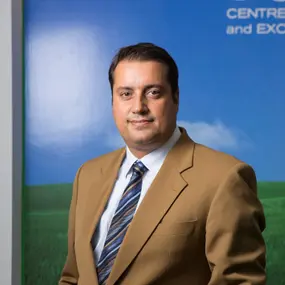
Nikos Avlonas is a recognized leader who has received multiple awards in Corporate Sustainability and Social Entrepreneurship. Nikos is founder and President of the Centre for Sustainability & Excellence (CSE) a global Sustainability Strategic Advisory and Training firm with activities in North America, Europe, MENA and Asia. Nikos has been awarded in 2018 by Silicon Valley Community Foundation, the largest foundation in US, as Practitioner of the year and in 2017 as ’CSR Professional of the Year’’ by PR News for setting new standards of excellence. He was also recognized at one of “Top 100 Thought Leaders in Trustworthy Business Behavior” by Trust Across America and awarded for teaching excellence from AUEB in 2020.
He is a well-known international speaker in topics related to ESG and CSR and has delivered speeches and educated professionals in North America, Europe, Middle East, and Asia. He is currently an Adjunct Professor at University of Illinois (UIC) in Chicago and awarded visiting Professor at Athens University of Economic and Business (AUEB), MBA international program since 2015. Nikos specializes in Sustainability, Corporate Responsibility, Carbon Reduction, and Impact Investment (ESG ratings). During the last 20 years he has carried out numerous projects in leading organizations, including Fortune Global 500 Companies, such as Nestle, Heineken Group, Coca-Cola, ΑΒΜ, Pfizer, Deutsche Post, Under Armor, the European Investment Bank and the Lloyds Banking Group. Additionally, he has extensive international experience in exec… Read More
