

 Apple Podcasts

 PocketCasts

 Spotify

 Overcast

 TuneIn

 RSS Feed

 YouTube

 Amazon Music
PFAS Regulation in Flux: Legal Insights from Environmental Attorney Phil Comella

Veteran environmental attorney Phil Comella joins host Sean Grady on the Environmental Transformation Podcast to break down the EPA’s proposed rollback of PFAS drinking water regulations. With over 40 years of experience, Comella offers expert legal insight on how the delayed compliance deadlines, potential MCL reductions, and CERCLA implications could affect municipalities, water utilities, waste management companies, and communities already exposed to PFAS. The conversation covers legal risks, scientific uncertainty, and the regulatory gaps that complicate cleanup and accountability.
📍 Chapters:0:00 – Introduction and Phil Comella’s background2:42 – What the EPA’s PFAS proposal actually means6:30 – Delays, politics, and public health impact10:10 – Why the proposed changes matter for communities14:50 – Legal risk for utilities, ratepayers, and manufacturers19:25 – Superfund and the challenge of hazardous substance listings24:40 – The case for a dedicated PFAS statute28:35 – Wastewater treatment, landfills, and managing leachate33:45 – PFAS in household products and regulatory blind spots38:50 – Exposure, science, and tort law consequences44:25 – Thoughts on the path forward for EPA regulation50:00 – Dark Waters, science-based policy, and legal legacy🧪 Get expert legal context on one of today’s most pressing environmental health challenges.
0:00 When you eliminate the standard that the prior administration said was necessary to protect human healthy environment, then you take it away. You're sending a message either A we they don't care about health environment B the prior science is wrong, which is fine. Could be, yeah, but. Maybe it was, but maybe it was wrong, but you're showing some indecisiveness on something that you need confidence in. Welcome to the Environmental Transformation Podcast, where we bring you interviews with industry leaders, climate champions, sustainability practitioners, EHS and hazmat professionals making an impact in their businesses today.
0:41 Each leader solving complex challenges and delivering solutions within their areas of expertise. I'm your host, Sean Grady, and thanks for joining us today. Before we jump in, make sure to follow us on your devices and visit my website at www.seankgrady.com and sign up for our newsletter and e-mail announcements. Now let's get started today's. Guest is Phil Camilla. Bill is a practicing attorney in the environmental industry. Well, he's a practicing attorney doing environmental law. He's at over 40 years of experience practicing environmental law. He is a 1983 graduate of George Washington University Law School, and he began his career in house for the country's largest solid waste and hazardous waste company. During a period when Congress had just passed the amendments to the Resource Conservation and Recovery Act in Superfund, he played a central role in interpreting new rules, preparing rulemaking comments, and negotiating with state and federal agencies over compliance issues. He served in the private sector now for over 23 years with Seyfarth and Shaw, and also six years at Freeborn and Peters. And now he's currently heads up the Chicago Environmental Group for STAT, Tafts, Statenius and Hollister. He's widely published on array of environmental issues including P Foss landfill gas, brownfields and assorted waste issues, and currently is handling roughly around 15 different P Foss cases, those
2:15 involving water utilities and cross boundary pollution. Phil, welcome to the show. Hey, it's great being here, Sean. Thanks for asking me. Absolutely. Well, you know, I was reaching out to one of our fellow comrades, Bill Wagner, one of your your attorney buddies there at Taft. And I said, hey, I'm looking to talk to somebody at Taft that we can explore this new proposed EPA PFOS rule that's just been announced. And what they're proposing to do is to peel back some of their rule making MCLS for about four or five of the OR six of the different compounds.
2:56 And we're keeping two of them and extending some of the compliance deadlines. And I figured we'd be a good opportunity to talk with an attorney who could put some perspective on what this impact may have on industry and or, you know, the the EPA in general. So, you know, Hey Phil, thanks for joining. Sure. If you could, Phil, could you give us a little bit of, you know, maybe what the new rule proposed rule is, is proposing to change and, and break it down a little bit for us in, in a little more detail than what I just described. Sure. OK. So it's important to sort of get a big picture of what the rule making process is all about. And the rule making process, which is the way government agencies make laws or regulations, always begins with a proposed rule.
3:48 So the so the steps are proposed rule in the Federal Register. It has to be published and then they announce that they're taking comments and then the agency is supposed to consider those comments and then issue a final rule. And the final rule is supposed to be a logical outgrowth of the proposed rule. The final rule published doesn't mean that it will be fixed for all time because there's always this thing called the appellate practice or legal challenges to a final rule. We see that all the time. OK, as a little background, all we have from the current administration is an announcement that they intend to issue a proposed rule. We don't have a proposed rule yet. There's nothing in the Federal Register. So what we're seeing this is sort of a, sort of a version of an executive order.
4:43 It's, it's a policy statement, it's a, it's a, it's a vision statement. And were there were two of these statements issued late spring. And I and, and the one in particular was issued on May 14th where EPA did announce that they plan to do 2 significant things, which is #1 keep the existing 4 parts per trillion MCL for the 2 main P boss, which is PFOA and PFOS. But also, but, but for them, they would extend for those 2P fast, they would extend the compliance deadline applicable to water treatment systems.
5:34 So the line would go from 2029 to 2031. So stopping there for a second, what that says is that the actual benefit to the public from these standards would be delayed for two years. The goal is to have cleaner water to drink. Then that goal would not be achieved until 2031 instead of 2029. So I'll stop there. There's there's another, you know, the other. Right, right. Deals with the other P Fox but but to me that's the big it it's it's it's not legally affected yet and it's not going to be legally effective until if there's a final rule.
6:23 So. It does. It does show you where the new administration's going. Yeah, yeah, it seems like they threw up a a balloon up in the air to test balloon just to see, hey, what is this going to stick and and how will will industry respond? And it seems like currently there's also a lot of, you know, pushback from NGOs and other, you know, chemical industry people is also probably putting more comments in being favorable for this new change I had imagined. But I'm not really sure, you know, not sure I, I've seen a lot of response yet. But you make a great point in that, you know, the rule that currently sits is still the rule with it's, it's just because they proposed this doesn't mean it's in place. And so we still have all the MCLS for all the chemicals that were proposed or that were in the rule that made last year. So that's what we're working under at the moment with the deadline to implement these changes of water treatment for the public by 2029.
7:28 Right, right. The rule right now is that by 2029 water utilities have to achieve the MCL for the two PFAS. I mentioned PFOS and P along with the other four which have their own acronyms, you know, Gen. X&IPFHX, S&P, FNA, the more. But the, the issue with that is obviously the more chemicals regulated that might cause disease, injury, et cetera, the better. But we're seeing this, you know, the couple things going on here, obviously there's politics going on, there's industry input. And then in, in some, you know, we sort of have a battle between the water utilities, which it's hard to be critical of that industry and, and save drinking water because you could issue bottom line, you could issue all the regulations you want. If the technology isn't there to treat it or if the economics don't support it, it's not going to happen. So, so it's, it's really a, you know, this is really sort of a tension here between maybe what the right thing to do is, which is to drive these standards to, to effectiveness and, and the ability to do it technically so.
9:03 That's attention. Then I'm curious to to maybe explore what you think is the motivation behind the EPA is proposing these this change. I mean, do you think it's just the fact that potentially this has been or possibly this has been an unfunded mandate across the industry for utilities to actually, you know, put the treatment facilities in place by 2029 and they're just giving a breathing room? Or is it just the onerous nature and potential litigation concerns of, you know, these this level of P Foss chemicals at at these low levels for certain chemicals?
9:43 I mean, I'm just curious what you think the motivation is behind this. Well, I don't think there's, it's like anything else, there's always contributing causes. I definitely think that the water utilities have a big voice here. There is something like I'm going to say let's say 50,000 water utilities. There's a lot in the country and the cost of treating PFAS for bodies, water utilities is significant. I know one example of a facility that's installing PFOS treatment, it's $80 million and so who pays for that That's and it would be the ratepayers. Unfortunately, and that's not fair, right, Right. Maybe a government grant and or defendants who manufacture the PFOS.
10:47 I mean, and there's lawsuits and many of the cases I'm involved in and as you know, the multi district litigation, South Carolina, the first phase of that litigation is about water utilities ganging up on the manufacturers to recover some of the cost of treating P fonts. Only seems fair. Right. Well, again, again, it's hard to argue with the equity of that situation. It's really why should why should a the water utility, which is same thing as saying the ratepayer pay for an undisclosed contaminant. And you know, you can make other arguments about, you know, spreading that cost to innocent victims of the PFOS. But you know, I but a lot of these water utilities and I'm not an expert in water utility finances, but they are government entities and so therefore they're funded by the people or by I guess federal or state grants. So that's clearly an issue.
12:00 You know, I do think there obviously is, there is this undertone in the new administration of being not as obviously not as proactive with environmental issues. And this is like a small little thing when you think about. I think there are some people, myself included, who are wondering whether they were going to gut the MCLS or I mean, they still might. Yeah, they may. But there was concern about, well, if you really want to fix it, then just gut the program, right? So, so there's definitely that. But I do think this is a small, this is a small step sort of away, away from sort of the Biden PFOS program for water for water.
12:48 And it's not as significant as it could have been. I that's, that's sort of, you know, a mixed bag that I they could have, they could have tanked the whole MCL start, you know, withdrawn it start from square one, etcetera. So. Hello ET Nation, I want to thank you for listening to the podcast. If you enjoy the interviews we bring you, please consider supporting the program by visiting my website at seankgrady.com and buy me a cup of coffee. Proceeds will go towards helping me continue producing timely content and offsetting production costs. I'd also like to take a moment and recognize a few of our sponsors of the show who have been amazing partners and who are ET Nation legends. If you're looking for a driller and an environmental contracting firm to help you delineate the extent of contamination at your site, then look no further than Cascade Environmental. Cascade has over 37 offices across the country and offers a huge range of environmental and geotechnical drilling, site characterization, and remediation services. With their huge fleet of equipment and nationwide coverage, Cascade is a great choice to support your environmental and infrastructure needs. To learn more about their company, visit theirwebsite@cascade-env.com.
14:04 That's cascade-env.com. I'd also like to give a shout out to Enthalpy Analytical if you're looking for a single source for all your laboratory testing services and give Enthalpy Analytical a call. With their network of accredited laboratories, experienced project managers, chemists, and industry professionals, they have everything you need to support your next project. They can analyze anything from drinking water, groundwater, soil, sediment, sludge, air, and much more. To learn more about Enthalpy Analytical, visit theirwebsite@enthalpy.com. That's enthalpy.com. Finally, I'd like to recognize Zappa Stewart, the leading provider of super absorbent polymer technology for the Power, emerging oil and gas and remediation sectors for over 20 years.
14:50 When a reliable, fast and cost effective liquid waste solidification solution is needed, customers count on Zappa Stewart's brand of SA, PS and technical expertise. When liquid waste needs to be out of sight and out of mind, give Zappa Stewart a call. To learn more about Zappa Stewart, go to mywebsite@seankgrady.com. That's Sean K grady.com. Now, let's dive back into this interview. So, you know, this rule, the proposed rule change that they're proposing, I mean it, it does give some other, I guess support to communities they're coming up with like, you know, this outreach type support for local municipalities that are affected by this to help them pay for treatment or, or things like that.
15:39 But, you know, I think under the Biden administration, there was a lot of set set aside under the infrastructure bill. And I looked at that and it they allocated, you know, millions of dollars for each state and depending on, you know, the size of the state and population and whatnot. But when I looked at it, I felt like it still isn't enough to support the utilities and the states through, you know, state revolving loan, you know, state revolving fund fund loans that, that they could offer utilities to, to pay for these types of upgrades. And I think not only are the, the drinking water utilities are affected, but the wastewater facilities are, are affected by this, this rule change too.
16:25 And that's not really getting a lot of coverage in that. And, and I'm kind of curious of, you know, how is the administration going to address the, the cost concerns? And maybe that is the real reason why they're trying to pull this back is just the cost is is so enormous, enormous. Yeah, yeah. It's, it's, really, it's, it's, it's very difficult to find where the money's coming from since I believe the EPA budget has been slashed by what 50 to 50 to 80% in that, in that range. So it's sort of like trying to trying to grow a business when you're shrinking your staff. I mean, it's, it's, they're, they're opposite, it's opposite initiatives going on here.
17:10 And you know, at the end of the day, at the end of the day, it really there needs to be the money to, to accomplish the goal. Now one thing to keep in mind here that I think is important is that there is this sort of very bulky titled rule called the unregulated contaminant rule which I wish you know. I think they should rename that to make it more user friendly. But in any. Of them. Yeah, yeah. But in any event, under that rule, all, all water utilities have to test their water for P Foss. Now not all of them have, but a lot of them have.
17:50 Now the statistics show that something like I'm going to say about under 8% of water utilities actually are producing water exceeding the MCL. So, so in terms of the whole budget budgetary issue, you're not talking about the whole universe of water utility, you're talking about 8%, which is something I'm just something like 5 to 6000. OK, that's not insignificant, but it helps the economics and it helps, it helps, I think the, the, the ability to finance these improvements because we're not going about the entire industry and for, and let's face it, we're, we're, we're used to prioritizing, right? Well, who's got the worst PFOS?
18:40 Let's fund them first. So there's all sorts of, you know, you have to sort of allocate the resources where it's going to do most, most good, right? And of those 5 or 6000 utilities are affected, I mean, some of those could be very large utilities that are affecting big, big populations too, right? So, you know, it, it can, it's a little bit of a, you got to really look at the details, I guess to really see, you know, the impact of the exposure in these communities with that. But that's, that's a good point. I mean, and maybe there's a, a better way of evaluating that. I think the UCMR 5, you know, testing protocol is it's effective, but I still think there's some, I guess improvements to that, that treatment or testing protocol.
19:30 It could be made because there's I think some judgement of when you sample versus when you shouldn't. And, and I think there could be a little more, you know, rigidity to that process that could be beneficial for the, you know, exposed community or potentially exposed community. You know, it's, it's interesting the rule to Phil, it doesn't talk about that. I'm aware of any of the implications around it's being classified as a hazardous constituent. And currently it's in as a hazardous constituent under CIRCLA. And did they talk? I mean is anybody floated any ideas around the changing of that?
20:14 Designation in Circla, if they're going to change these compounds and reduce the MC LS, I mean, there's that, right? That could have an effect. It'd be like a domino effect, right? Right, right. Well, you know, we're sort of left with with the environmental statutes that we have at hand. And each of these statutes comes from a different era generally intended to deal with a different problem. I mean, Superfund Circlaw was intended to deal with abandoned hazardous waste sites and very effective in dealing with abandoned hazardous waste sites where the owner wasn't able to do the cleanup of a release itself. Now obviously it's broad and beyond that, but but the, the listing of the PFAS substances as hazardous substances under Superfund.
21:10 Now that is a that's a wild card because nobody is really scoped out how broad the effect that particular listing might have. Now subtly in in the current administration, what's you know, what's happening right now is that obviously folks challenge the Superfund listing. Just like I said, final rule comes out, final rule came out listing PFAS is a has a substance on the Superfund. The lawsuits are filed and you know, under the Biden administration, UPA is going gung ho support the listing right now.
21:54 The Trump administration has asked to stay the litigation, continuing to stay that litigation while it does something. I think the latest, I think the, the latest report to the court is due I think the first week of July. So that's very significant because it's exactly the opposite of the sort of the energy and the, and the, and the strategy that was put forward by the prior administration, which is, you know, the Superfund listing was right up there with MCL because Superfund was viewed as the environmental remedial statute. Well, let's list PFOS. So right now that's that it's sort of up in the air on what's going to happen with with the Superfund. But you know, I mean, you know, the Superfund listening, but you're right.
22:49 It's you have these, you know, we're in a period of uncertainty right now, frankly. You're right. And, and I just think that the cascading effect of that decision to put it into circle causes a lot of the business concerns across the, the, the, you know, the spectrum, whether that's in, in, in redevelopment of brownfield sites or you just even, you know, properties that are industrial sites. I, I also have a lot of concern around and I'm sure these, these other entities do as well. Well, you know, if you're say, a solid waste landfill firm and, and you are collecting waste from people, you're not the generator of the waste.
23:32 But now it's all in your leachate. And now, you know, what if your leachate is, you know, unfortunately migrating off site for some reason because of you got some challenges with design Or what if your municipality and your land applying your sludge and you've been processing, you know, unbeknownst to you, P Foss impacted sludge. And now all of a sudden the farm fields are impacted and now people want cleanups. Well, under CERCLA, we know what that looks like. You know, the EPA goes after those people, even though they're really not the parties that should be responsible for it. And, and I think that's the big, you know, the tension between this rule and, and the parties that are potentially affected by it. And I don't think it's it's the right program for dissident. Right, right.
24:19 Yeah. And I and I, I wrote a, A blog on this or not, whatever it was blog article, Superfund is not the right tool. I mean, when you look under the cover, it's, it's really Superfund applied to FIFA is leads to absurd results and an example that many people won't believe. But Superfund has no minimum threshold of hazardousness. If you find a hazardous substance in a concentration that is a hazardous, it's not like a hazardous waste where it has to be a certain concentration or certain risk level or whatever.
25:01 And so when you look at the concentration levels for P POS, theoretically, OK, you have one part, you detected it, that's a hazardous substance, OK. So what's the clean up standard and who contributed? Who contributed that? It it leads it. It's it's it's almost like, I mean, there's various laws out there that are so broad, they're almost meaningless. This, this, this is sort of an example. I am not, I am, I am against using Superfund as the tool to deal with the P Foss issue. I mean, I happened to it just it's, it was meant for a different era. The one, the one thing that I noted in the announcement from Administrator Zeldin is that they're thinking, you know, they're thinking about having a special P Foss task force, which sounds, sounds OK.
25:56 I personally think there needs to be a P Foss statute that just or that addresses the unique features of P Foss and in the, you know, using these other tools that they're not the best fit Super funds, bad super. Ricra has his own issues. Ricra is is. I mean, if they had to pick one because they had to pick one, Recra would be the better option. Right, right. I mean. And that does present a bunch of issues there too. But it, it to me would be more manageable, more than likely. And, and you wouldn't have, you know, the, the, the clauses in CERCLA that can really pull in PRPS that, you know, are not really the contributors to, to clean up. And currently, you know, if it's, it's in the, the, the circle, yeah, in the circle of law. I mean, you know, all appropriate inquiries for phase one, phase two type stuff.
26:54 I mean, now you have to assess it. You have to consider it as a potential wreck. I think agencies are starting to think about, well, do we need to reopen a lot of our previously, you know, no further action active, you know, approvals for sites that didn't address P Foss. You know, they did that kind of process back when vapor intrusion was a big issue, right, which isn't too far. That's not that long ago when that was, you know, an issue. And so I'm just curious see how this new administration is going to handle this because it, it, it seems that there's obviously it needs to be addressed and fixed somehow, some way, right? Right.
27:40 Well, I mean, you raised a very good point because closure is an important thing, whether it's closing has its website, closing on a deal, closing a job, whatever. I mean, getting stuff over is good and in order for the government to an EPA, particularly to make progress in Superfund, they want to show results. This is how many sites we closed. Now, if you continue to list new hazardous substances and you keep revisiting the closed sites, you'll never get anywhere. It's it's just because who knows what the next P FOS is going to be.
28:22 I mean, we talked, you know, this issue about there's Dachshund, there's asbestos, there's PCBS and now there's P files. What's the next? There's probably going to be another one. And so you, you know, at some point in time you sort of have to say leave well enough alone unless there's a risk. And that's always been the rule, whether it's a brownfield cleanup, voluntary cleanup, or whether it's super fun. If you find something that's a new risk, the closure doesn't apply. And that's you can't argue. With that, yeah, yeah. So and I'm sure, you know, as an attorney, you're you're probably helping a lot of companies that may have this type of situation pop up and they're like, wait a minute, you know, we got closure.
29:09 Don't but we don't want to open this thing back up. This is going to it could cost us hundreds of thousands of dollars to do an assessment that we made. You find out is is nothing, you know, you know, and it's just kind of a could be a lot of wasted time and money. But you know, if it, if it was in RECRA, let's just kind of talk about the scenario through the RECRA, you know, angle, so to speak, because to me, there's some concerns there too. If they list P Foss as maybe a characteristic waste, you know, what concentration would even be appropriate because I don't feel like the MCL is the appropriate concentration if it's going to actually be tendered a waste. You know.
29:52 So there's a whole nother like, you know, process that we'd have to go through or the agency would have to go through to kind of make a determination that they, if you have concentrations of this as what is 4 parts per trillion of waste, you know? Yeah, I. I seems pretty. Yeah, the entire world would be. I mean, it's ridiculous because if you look at the background of P FOS in the environment and particularly in waterways, it's it's around 4 parts per trillion. I mean, they're, it's, it's a friend of mine, I think IA friend of mine told me who does a lot of PFOS work that no one's ever tested anything and not found PFOS. And it's, it's, it's so pervasive. So, so the point is to your observation is that ricra has a lot of advantages because it's point of generation opposed to after it's already been disposed of, keeping it out of where it shouldn't go.
30:54 That's always good. But if they set those characteristic levels too low, again, it's going to it's going to be a disaster because nothing will get done. Everything would be a PFAS hazardous waste. And so then, then where do you put it? And and you know, what do you, you need the capacity and under the land disposal restrictions, which is part of RICRA, within six months after a listing, EPA has to start listing treatments, looking for treatment standards, which sounds like a really good thing, except where's the capacity to treat the PFAS? So it it is it is a that's why a unique would be difficult to put a new subchapter in the RICRA, the PFAS subchapter.
31:41 You know, that sort of would make more sense because, you know, go ahead, I. Was going to say if, if if they did go down that road and and they made some allowances for protections that would help, you know, waste companies who are processing waste, you know, because then you could probably open up landfills to receive this type of material across the board and then you'd have more capacity. You know, if it's AP Foss waste, it can go to a non has landfill, you know, providing it's got proper, you know, design, subtitle D design, it's not bad. I mean, you can, you know, they've got leachate there too. As long as it's being processed and managed, you know, effectively.
32:26 I think, you know, that could be an alternative. And as long as they've got protection, that could be an option, I would think. But if that's not the the direction the agency goes and did they say has to go to a has landfill or you know, then or incineration or on site treatment or some up other treatment or then I guess deep well injections of another option. I think that's a great, you know, solution as well for liquids. But you're right, the capacity within the industry is not there for it that much of AAP FOS waste if it actually goes that direction. So I think, yeah. Yeah, it's not it's, it's a, it's a real problem. And then when you add on the household hazardous waste exclusion and and this is something that's I think highly relevant for P Fuss.
33:16 A lot of the hazardous waste in Ricra, if not most of them are industrial hazardous waste, classic example being electric arc furnace dust from air pollution control equipment. It's still mills. Well, it's, it's, it's dust, metal particulates that are being captured by the air pollution control equipment and that's highly concentrated metals. Hazardous waste. No, no debate about it. It's got to be stabilized and go to a hazardous waste site and you can go on and on and on through the Ricker listings, paint pigments and sludges and all this kind of stuff. The a major source of PFAS are household products that are being discarded and, you know, controlling the disposal of those different challenge than going to the steel companies and the chemical companies saying, by the way, you're going to have to start manifesting your, the sludge here, you know, and so it's and the the household hazardous waste exclusion, those go to the to non hazardous waste sites right now, you know, those household hazardous waste collection centers, which are good, but they're not universally used and who knows? I mean, I don't know about you, but I don't see a lot of PFAS disclosures in products.
34:48 There's there's not enough of it going on. And I know that there is a more of there's more focused on SDSS having, you know, identifying P Foss and, and so there's going to be more focus around that for reporting purposes. But geez, you know, there's still a long way to go to make that really effective and, and, you know, implemented across the industry. And, and so I think that's a big issue. You, you do bring up household hazardous waste. I mean, sure, we all have it. We're all going to Home Depot, buying products, Lowe's, whatever and, and getting our, our, you know, chemicals and paints and whatever. And or the grocery store, right, you know, that stuff, you know, this stuff is everywhere.
35:33 And so it is going to have, you know, from that perspective, I would maybe consider it a de minimis effect in the landfills if it goes to a non house landfill comfort compared to like a true industrial discharge type, you know, scenario. But somehow, some way, I think the, you know, EPA needs to come through with some better guidance on how to approach and manage this. And, and the, the biggest concern obviously is the is the exposure scenario, right? I mean, because, you know, your colleague, Robert Balat, who's been on this show, by the way, you know, the Dark waters movie, fantastic, you know, example of, of a community impacted by PFOS and cancers and help the, you know, human birth defects and and other, you know, things have happened to these people in the community because they've been exposed.
36:28 And this isn't just kind of like making, you know, just kind of making things up. No, these actually occur, right? And and I think that's the problem with a lot of people. They don't realize how the exposure of P phos effects people. They just hear it. They hear a low number, but they don't really see like how, you know, people exposed to this chemical in higher concentrations are really affected. And I think the more we can shed a light on that shines more of a light on the need to have these the this rule in place and and be effectively, you know, you know, mitigating this exposure.
37:08 That's kind of some of my thoughts there. I think I just, you know, curious to see what what you feel are, you know, maybe what the next step should be for the EPA in this this approach with, you know, making a rule modification of some sort. Yeah. Well, you, you put your finger on. I mean, I talked to Rob about this because we, when I first started working in the same firm, I mean, I had a case involving de minimis amounts of PFAS. I mean, I'm talking about just around the MCL and the cases that he originally brought and I would defer to his articles.
37:53 But if you look at the movie is a good example, I mean, they were right by the discharge of one of the chemical companies. And and this is where they're, as far as I can tell, there was no treatment at all. And so therefore, they're basically putting the, the, the waste materials from production into the river at the incredibly high concentration. And, and you know, we lose, we lose a sense of perspective when we go to the, the parts per trillion. I mean, I think in that case they were clearly in the parts per million and it was probably in the percentages of, you know, like a triple F Little known fact is, is from 3 to 6% P Foss, the firefighting film 3 to 6% is 30 to 60 parts per billion or I mean 3060 thirty to 60 billion parts per trillion.
38:50 And so you go from 50 billion parts per trillion to four parts per trillion. That's a big change. So the point being that the whole idea here is to have something protective. I you mentioned exposure pathways, drinking the water is got to be the most direct. I mean, I can't think of anything more direct than that. I mean, example to tie something together we just talked about, which is allowing EPA should allow solid waste, non hazardous waste landfills to take. P Foss, they should come out in their technical guidance and be a little bit more forthright, little more direct about it. They've sort of waffled a little bit in their technical guidance about whether landfills are good, bad or indifferent. That thing Pee Foss, they should come out and they have to recognize reality.
39:47 They need the capacity. It's better putting it in a modern subtitle de landfill than washing it down the sink or whatever. But then they have to exempt the leachate from soup to front. Super fund and, and exempt the wastewater treatment plants from liability for taking leachate so that you don't clog up the system. Because the bottom line is that if they impose, and this is where I come down on this, if they impose the ultimate treatment burden on the on the water utilities, that's where the rubber hits the road. Now there has to be effluent guidelines to the wastewater treatment plants.
40:28 You know, I you can't just be polluted in the river and hoping it's to be treated downriver, right? Do that. But it's from what I've seen of wastewater discharges, it's in the 50 parts per trillion. It's not like amazing and they're not doing any treatment. I mean that that's one of the arguments. Well, they're not treating, but I've actually seen the data because I was in a case where this data, we had the data at the point of discharge and it and, and you know, few people were getting because for, for what it's worth, I mean, if there's such dilution, I mean, it's not, there's such dilution occurring in a lot of these waterways.
41:12 Not that that's the solution, but it's part of the Clean Water Act to when they give you and you, you probably have done this when they give you those MPDS permits, they're looking at the river flow, the the dilution is occurring before it gets to the receptors, right? Yeah. They're looking at the team DLS on those and the waste load allocation, you know, potential for these chemicals. And when I think that's really where, you know, the, the process kind of gets hung up is at the is at the treatment plants, both drinking water and the, and the, and the wastewater. And I think the challenge there is, do we have the right technologies to treat adequately to these proper levels? And then if we do, which I think there's a lot of good technology coming out that is actually showing, you know, effectiveness.
42:14 But it's the cost, right? It's the cost to the ratepayer. So part of me is like, well, if, if you've got an industry that's set up with, say the pretreatment discharge program for youth public wastewater utility, then they can just charge a surcharge out the wazoo to an industry that has this type of impact in their, in their waste in their discharge to the facility. And that cost can be used to upgrade the plant, right, Theoretically, and along with some other state funded, you know, probably loans that they can get to, to do that. I think the challenge a lot of these utilities are facing, and I'm, I've been working once more recently, I was working with one that, you know, they, they're going to a plant upgrade and they were adding, you know, a, a, a pre treatment discharge program to, to their for their permit and then and their community, because they really hadn't had a lot of industry there already.
43:11 But you know, that whole process, it, it takes time. Can they get the the plant upgraded by 2029? I don't think so. I mean, that's, that's the big problem. And so you know it, it is. No, we have a problem at hand because because here here's here's the reality. And I know that you've you've you've done this in your professional career, but what's happening right now in just one scenario is, OK, a user, a significant user of a wastewater treatment plant will generally need a permit from the wastewater plant.
43:53 So the wastewater plant is imposing standards upon the discharger to ensure that the wastewater plant can meet their own effluent standards. OK, well, so, and I don't think that's a problem because you're basically talking about two levels of pretreatment. You're pretreating it and say it's a landfill or a chemical plant, whatever. You're pretreating your P5IS containing wastewater to a degree. You're not moving it to zero. You're not moving it to. Four parts per trillion. Right. You're, you're, you're doing some, it's, let me put this way, you're doing some more efficient, affordable treatment, but you're reducing it to a level or by a percentage that now the wastewater plant can meet its own inflow. It's only effluent stand.
44:43 So you're sort of spreading it out a little bit and that's the way it's supposed to work. So what's going on right now is because we don't have leachate pretreatment standards, we don't have effluent standards. A lot of it's a lot of wastewater plants are shutting down P Foss contributors. So just you can't take it here because we don't want to either get sued by downstream users, but we don't want to pollute the, you know, or maybe the state's imposing women on them. And I have to say that there are some issues, but it's it's not terrible. It's not yet a terrible situation, generally speaking. You have some reasonable people who are good engineers working on this and people know that.
45:32 And I've made this argument myself. If you shut off like a landfill from sending leachate to a wastewater plant, where where do you want it to go? And you said earlier deep injection was a good idea. OK, fine. Supposed to it, it quadruples the cost. OK, fine. What's going to happen? Well, the price the landfill's charging for garbage is going to go up and the prices are going to go. So it's it's sort of, it's sort of, it's nothing wrong. I mean, all I'm saying is that it was me they would do things at all in a series and let it take effect. So you're minimizing the concentration by the time it gets to the water utility?
46:14 Yeah, no, you're, I mean, and that makes sense. And, and I think that's really kind of the, the approach that a lot of the companies are, you know, taking, you know, if we pivot a bit back to the waste companies, you know, a lot of waste companies aren't wanting to take P Foss impacted waste in their their landfills. They're say, well, we go for has has disposal because it's a more secure type thing and they don't want it the liability. So that's kind of a self-imposed, you know, directive from a company just for, to, to manage risks. But if we get into that kind of, you know, conversation, what type of legal risk do you see or do you think companies and municipalities have facing with, you know, or that are faced with this rule, not only maybe the existing rule, but the proposed rule?
47:03 I mean, what what type of risk of legal challenges do you see that may be forthcoming? Well, there's all sorts of perspectives perspectives here. The in the worst case scenario, you have claims by downstream users, which would be individuals who claim the drinking water was contaminated and therefore they got cancer. Now believe it or not, there are a couple cases like that and they're scary cases because PFOS is sort of the feared chemical of the day and there is some science behind it. Now I'm not a toxicologist, but it's been connected to some forms of cancer in different levels, etcetera, etcetera. But that the plaintiffs lawyers if they get that person or get that scenario, they go, they go up up the chain who contributed the peat phosphor that would be the users of the of the river of the discharged into the river the wastewater treatment plants which really are the the centralized. Aggregator.
48:24 Aggregator for all these. So you're going up the stream. And so these costs are being borne way upstream because there aren't regulations requiring treatment. We're not we're not convincing people that the water is safe. We're not We don't have that that certainty that, you know, the MCLS is like good Good Housekeeping seal of approval. OK, it's fine. You know, I mean, like the in the lead in Flint, MI is, is this an example? So, so there's a real, you know, tort law should not really over overcome or get ahead of the rules, but that's what's happening right now. That's a lot of the is being done through the tort system duty breach, causation and the folks who innocent folks, passive receivers.
49:23 And you know, when you think about it, the households throughout the PFOS, well, just a second here, who sold the product to the households? And you know, let's face it, you you go back to the source. Yeah, you got the chemical manufacturers, you know. At the end of the day, so that that's, that is, that's, that's what Rob has done. Frankly, the you know, and that's it makes logical sense because that molecule can be traced to the manufacturer. You know, watching Dark Waters really kind of opened my eyes to the magnitude of the situation, you know, that we are faced with right now with P Foss. I mean, I can remember as a kid, you know, all the commercials on Teflon, non stick frying pans, you know, OK, yeah, right there. Teflon.
50:23 That's that's right. How about how about, how about Scotchgard? You know, let me get my couch, spray my crotch so I don't get, you know, dirt on the couch. And and, you know, the salesperson will Hey, could we could Scotchgard that before you bring it home, You know, it's like there's another thing. It's like it's before you realize it's in so many products, consumer products that we use and have used over the years. You're like, wow, we've kind of constantly been exposed to this at certain levels, not unknowingly for many, many years. And a lot of us are probably, I mean, I know we all probably have some level of P Phos in our bloods right now. It's just not having an A major effect on our bodies development or redevelopment or or just system right now. However, communities that have much higher levels of exposure, you know, those are the ones that are seeing the biggest impact to this chemical and, and to these chemicals. And just as a big, it's a big concern for the bigger communities that, that have, you know, communities are local next to some of these big manufacturing sites that have a lot of discharges.
51:34 And it's, it's sad to see some of the, the, the effort. And for all the listeners, if you haven't seen the movie Dark Waters, I highly recommend you watch it. Go and see it today. And, and, and some of you may know, but we do have Robert Blot actually a keynote speaker for us at the EHS Hazmat Summit in September of this year in Louisville. And he's, we, we can't wait to have him there. And I'm sure they this proposed rule conversation is also going to be a little bit of the discussion in the, the keynote that we're kind of talking about today, because it's got an implication in.
52:14 I'm kind of curious what would happen if some of this hap this rule gets they'll just Fast forward, let's say some of it does happen. Does does that like unwind some of the previous court decisions as well? Well, there's a decision in Alabama that it was against. It's a water utility suing, I think it was suing DuPont and it was filed before the MCLS became effective. And so the argument was by DuPont that there's not an enforceable standard. So, so, and at the time it was the health advisory, OK, Well, the Health advisors are not, they were not enforceable, but they were advisory.
53:05 So that was the argument that Du Pont made. Now the court, this is on a motion to dismiss, which is just a complaint without evidence. The court said that the plaintiff, the water utility, had sufficiently alleged injury to itself and to the public. Because the regulatory standard is not the absolute health standard you could be. In other words, you can get sick and be under if you can get, if you get sick, if it causes injury, even if you're below the standard, whether it's lead, PFAS, arsenic or vinyl chloride, whatever, you have a cause of action in a tort law.
53:46 So now, so that's a very interest. And I've used that decision to sort of say, you know, it's not like the the end of the game if there's not a regulatory standard. On the other hand, the regulatory standard is clear. Black and white know exactly, exactly what you're going to do now. So if the, the way the this pre proposed announcement, whatever it is, all they're doing is extending the, the compliance deadline. And in the blog that we did, apparently the water, most water utilities couldn't meet the 2029 deadline either. I mean that that that is fast approaching the one the one water utility case or facility I mentioned earlier in Alabama about $80 million.
54:45 They've been studying this. They have the money and they're still going through pilot and it's been 2-3 years. And so it's not like and you've, you've done this yourself. I mean, this is not an easy thing to do. It's not like building a house shakedown and trial runs and you. Know, I, I just think that, you know, I'm glad they've at least, you know, proposed to keep the two long chain P Foss chemicals. But but if you eliminate the other two, I mean, they say they're going to further study it, maybe change the level. I don't know, maybe they don't come back with anything and they just eliminate I don't know.
55:26 But you know, those chemicals have been known to also have health effects. And if you are only testing for those 2P Foss and you don't really effectively look at the other ones that are having, you know, you're still having an exposed community and and I there's just seems to be some ambiguity and some just not, not real clear thinking on that approach. Well, if they come out with this proposal, this is what's going to happen. I think they are going to come out with the proposal in the fall. That's what they said, That's what EPA said they're going to do. They're going to move it to the compliance headline for the 2P Fosses to 2031. They eliminate these other 4 then there's going to be comments from all over the place. Don't do it, OK.
56:17 And so we're going to see what happens. I mean, the, the real interesting part rulemaking, I think is how the agency responds to comments in the final rule because they this is not, well, it's partially political, but as this is where science should govern, it's not 100%, but if the data shows XY and Z, well, you need to regulate this and it'd be very interesting. And I'm sure there will be an appeal of the rule that EPA ignored the science when they eliminated the MCL. So, but you're right in in, in recognizing that this is sending a message, right?
57:07 It's sending a message when you eliminate a standard that the prior administration said was necessary to protect human healthy environment, then you take it away. You're sending a message either A they don't care about healthy environment B the prior science was wrong, which is fine. Maybe could be they'll. They'll think so, but yeah. But maybe it was wrong. But you're showing some indecisiveness on something that you need confidence in, right? You know so. Do you think there's a lot more, I guess, epidemiology studies or things like that that are forthcoming that have a little more information to help the science behind this? It's, you know, coming out in the next, say, year or so. Yeah.
57:56 I, I it's heavily, it's it's heavily, it's being heavily researched. I have work with expert toxicologist on this and I'm not up completely up to speed on the state of epidemiology and P phos. A fascinating topic, but one thing I will say that sort of goes the other direction, but it's important to know is that in the multi district litigation in South Carolina where there's thousands of personal injury cases collected and the judge there, he just got done with the water utility settlements.
58:43 He's moving on to a bellwether, which is a sample case, representative case in personal injury. And he instructed all the plaintiffs lawyers who represented the alleged injured people to come forward with expert testimony, expert evidence that the that their client's injury was caused by PFOS, which makes sense. And that wiped out over 50% of the claims. Just him asking for the connection. So there's. So the moral of the story is, yes, there is a connection, but it's, but it's not, it doesn't cause all injuries at all concentration levels.
59:25 And it's like in dark waters, you get higher concentrations. The personal injury is something I think is going to be with us for a long time because as those studies come out, we'll learn more concentrations and what which which ones. But man, the science is lagging behind, I have to say, I think. Yeah, it seems like there's been a lot of push or to suppress this testing protocols and processes that you know, and, and, and you know, the IT seems like based, you know, I mean, just look at the Dark Waters movie. The chemical industry was really trying to block a lot of that activity. And so because they don't want the information to come out right.
1:00:09 And and I think that is a lot of the challenge that a lot of the. Plaintiffs attorneys are facing and, and because it costs a lot of money to do it, obviously, right. So interesting, interesting challenges and, and I would imagine being attorney in the environmental arena right now is, is quite interesting for you, you know, with the types of cases that you may be facing and, and supporting it, you know, various plaintiffs. Yeah, I mean, it's been, you know, people ask you, well, you picked a good area to major, you know that to focus on. Well, it's been a good, I hate to say this, but it's been a good area for 40 years.
1:00:49 I mean, there's always been something and and the peat Foss is just a fascinating topic for a lot of the reasons that that have come up during this this interview. I mean, it crosses over from politics to science to to human health to economics to who who should pay, who should pay the cost is, you know, the reasonable reach of some of these rules. And, you know, I, I like going, I mean, I like going with this. I mean, the one thing about environmental practice, science is supposed to control the dialogue. And, you know, unfortunately, the scientists don't always agree.
1:01:33 And that's why we have competing experts. But the jury, the jury or the judge says, you know, I like your, I thought you were closer to decide to do nothing than the other guy. So you have a little governor on there that it's not just, you know, who could shout the loudest or bang the table. The science should control. And I, I think that's where I'm at with the PFOS. I mean, I'm, I'm, I'm at let the science control with the dark water. I have to say that from a lawyer standpoint, there was some of the greatest smoking guns ever. That was was so was real. I mean, the fact that they knew that was. Oh.
1:02:14 Yeah, sure, that's a fan the. Cover up the cover up. Oh my gosh. Yeah. And then, yeah. Yeah. Phil, Phil, did you read, Did you read Robert's book Exposure? No, no, no. It adds a whole nother layer of, you know, the the the story to I mean, it's just amazing so. Yeah, I, you know, maybe listen to at some point, but you know, but I will also say about that movie for it's, it's got one of the most realistic deposition scenes in it. I mean, that's I, I thought it was one of the best lawyer media movies that I've seen because you know, beyond Perry Mason, which of course we're we're very good, but but in entertainment way, but it was it was pretty realistic.
1:02:59 So recommended as well. Absolutely. Well, Phil, hey, I really appreciate you coming on the show today sharing your insights and, and what your thoughts are on this proposed rule and the affected, you know, I guess industries and municipalities and and the rule itself. Thank you for coming on the show sharing your wisdom. I really appreciate your time. We'll make sure we get your contact information out there for people to reach out to if if they've got questions that they may need an attorney to assist. So really appreciate your time today. Yeah, it's been a lot of fun. Thanks a lot, Sean. I've enjoyed it. Thanks for listening and watching the show. If you enjoyed the show then please share it with your friends and Co workers on social media and tell somebody in person.
1:03:45 Thanks for being with us, ET Nation.
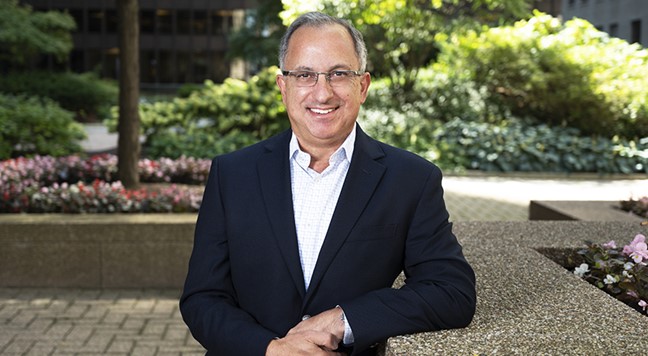
Partner
Over 40 years practicing environmental law. 1983 Graduate of George Washington University Law School. Began career working in-house for country's largest solid and hazardous waste company during period when Congress had just passed amendments to the Resource Conservation & Recovery Act and Superfund. Played central role in interpreting new rules, preparing rulemaking comments, and negotiating with state and federal agencies over compliance issues. In private sector, worked for 23 years at Seyfarth Shaw LLP (1994-2016), 6 years at Freeborn & Peters LP (2016-2022), and currently head up the Chicago environmental group at Taft Stettinius & Hollister. Widely published on an array of environmental issues, including PFAS, landfill gas, Brownfields, and assorted waste issues. Currently handling roughly 15 different PFAS cases those involving water utilities and cross-boundary pollution.


